4 min read
How Do You Add Accessibility to an Existing Commercial Building?
Blog article
Many commercial buildings were constructed long before accessibility was considered a standard part of building design. As accessibility expectations and requirements have evolved, many building owners have found themselves evaluating ways to improve access for employees, customers, visitors, and community members.
Whether the goal is improving access between floors, modernizing an existing facility, or supporting long-term building usability, accessibility improvements can often be incorporated into existing commercial buildings through a variety of lift and elevator solutions.
Understanding Accessibility Challenges in Existing Buildings
Unlike new construction projects, existing buildings often present unique challenges when accessibility improvements are being considered.
Building owners may need to evaluate:
- available space
- existing floor plans
- building usage
- structural limitations
- project goals
The right solution often depends on how the building is used and how people move throughout the space on a daily basis.
Because every building is different, accessibility planning typically begins with understanding the specific needs of the facility and the people who use it.


Accessibility Solutions for Different Building Layouts
There is no single accessibility solution that works for every commercial building.
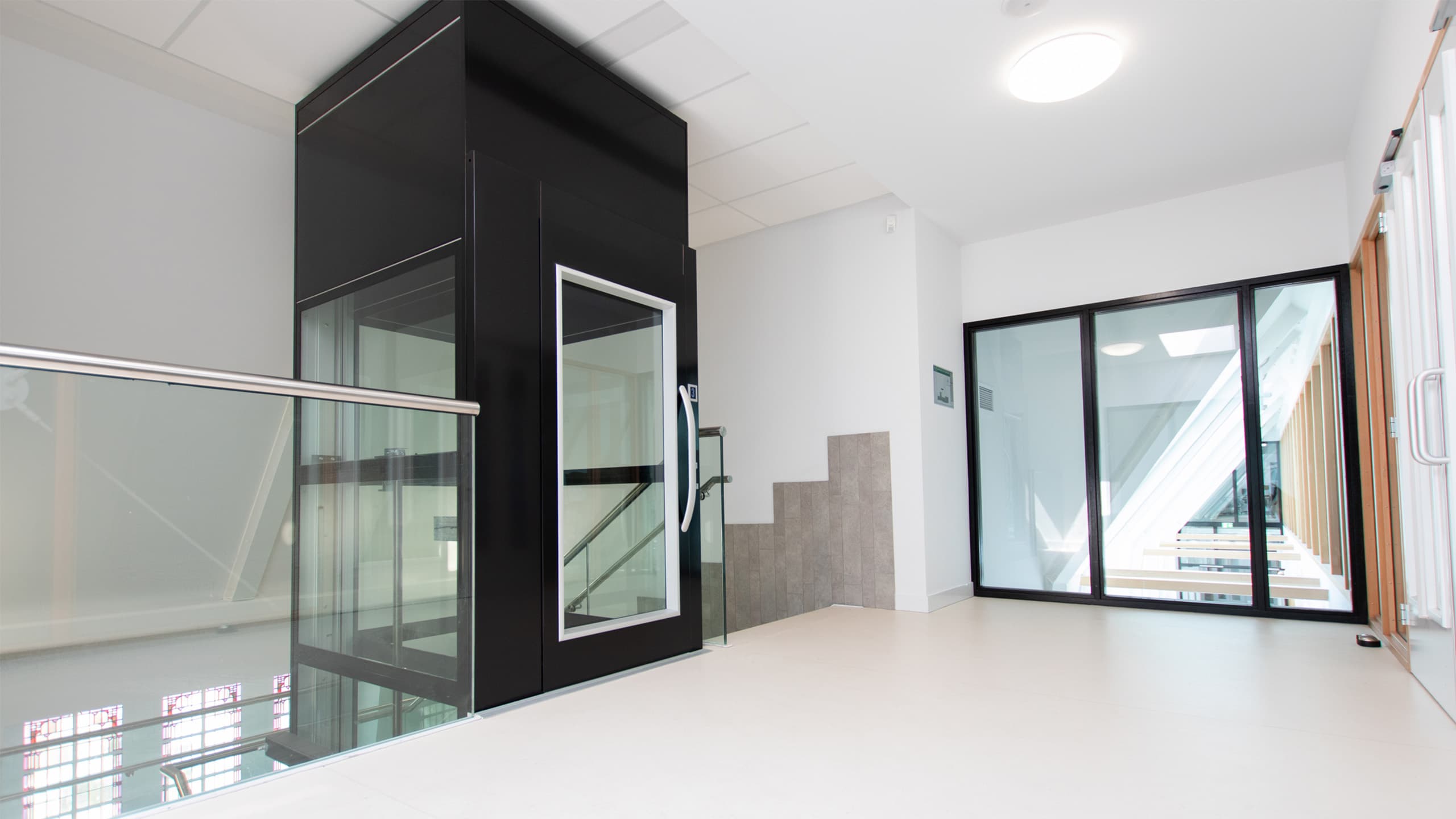
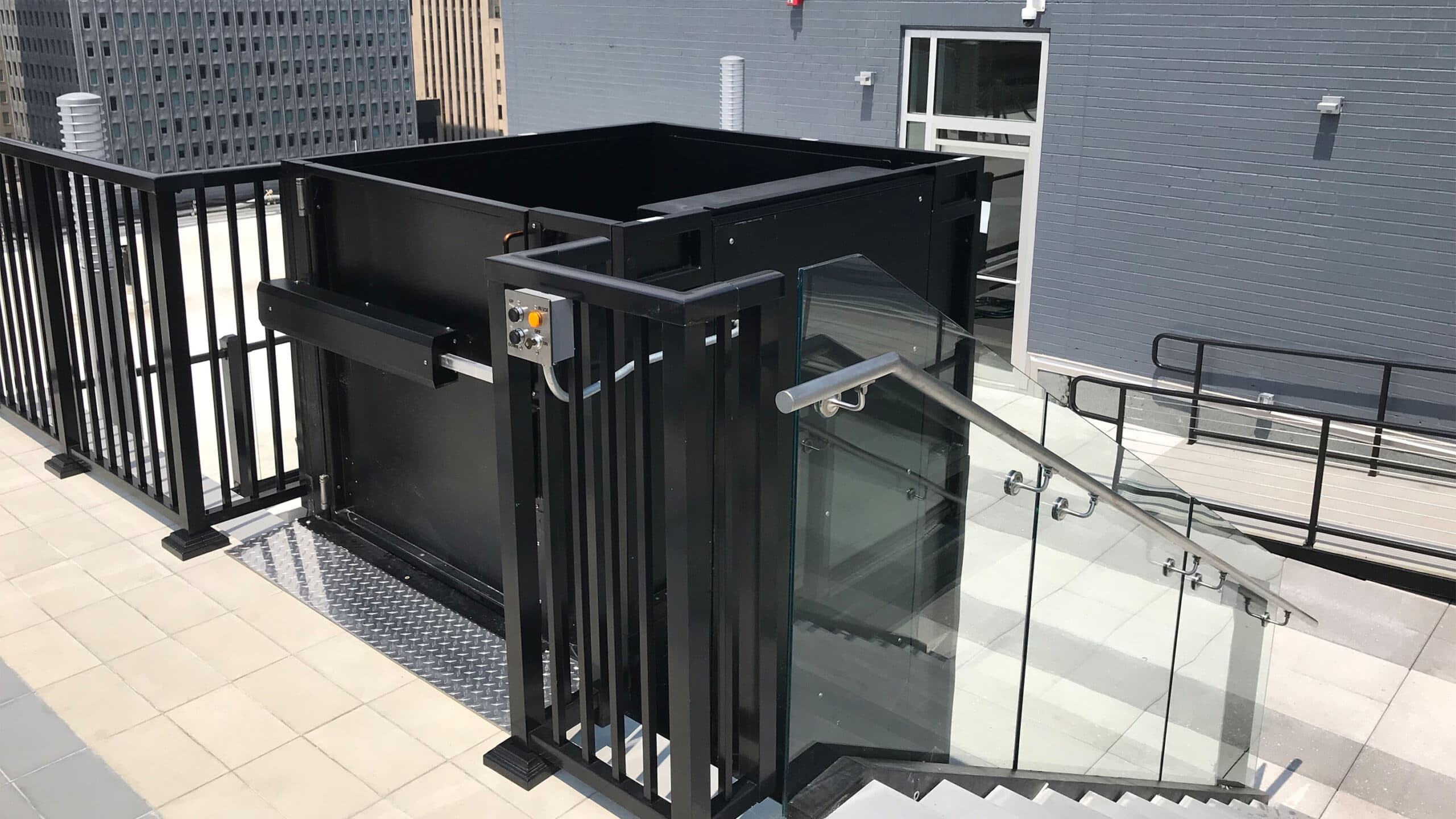
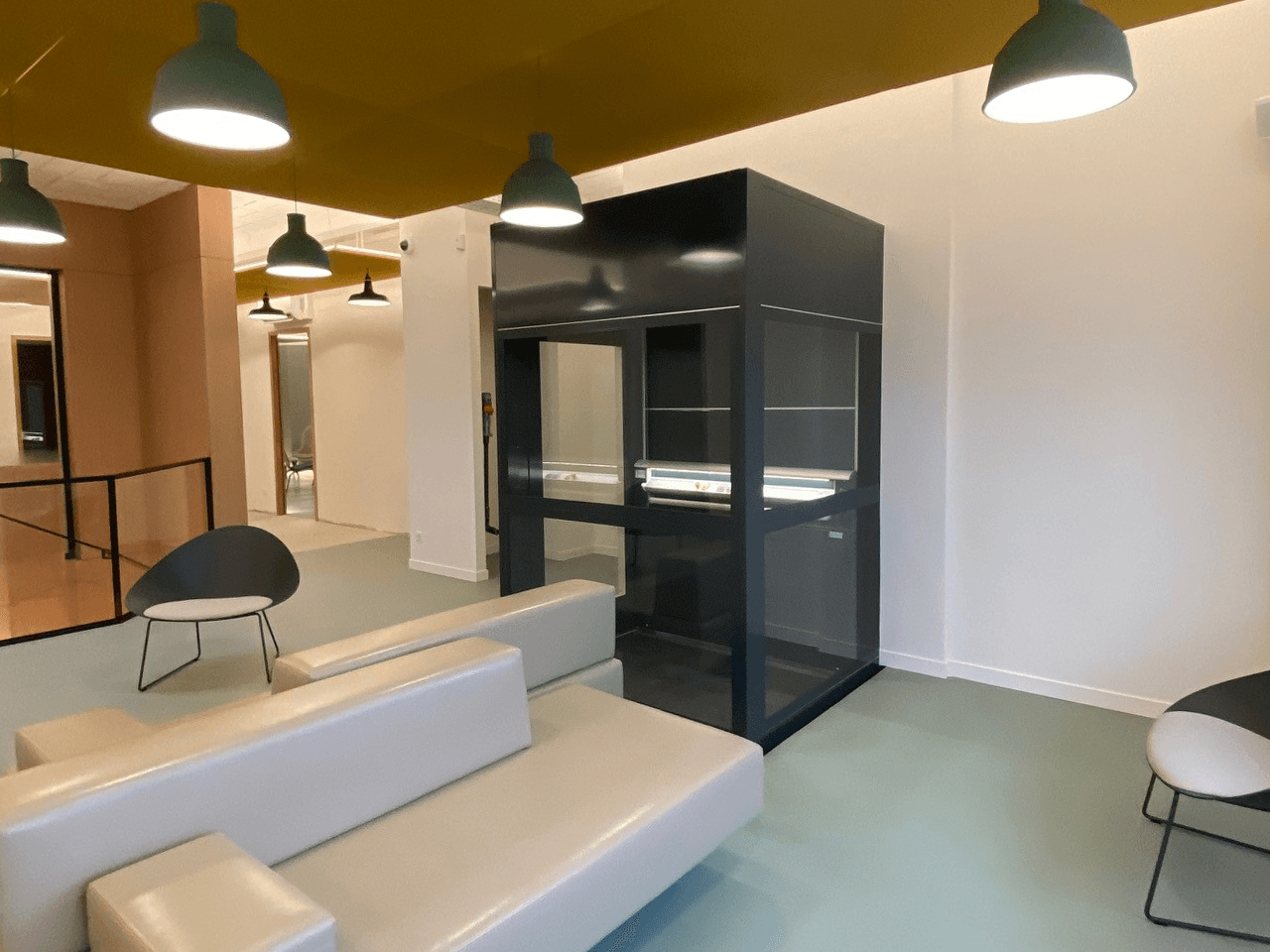
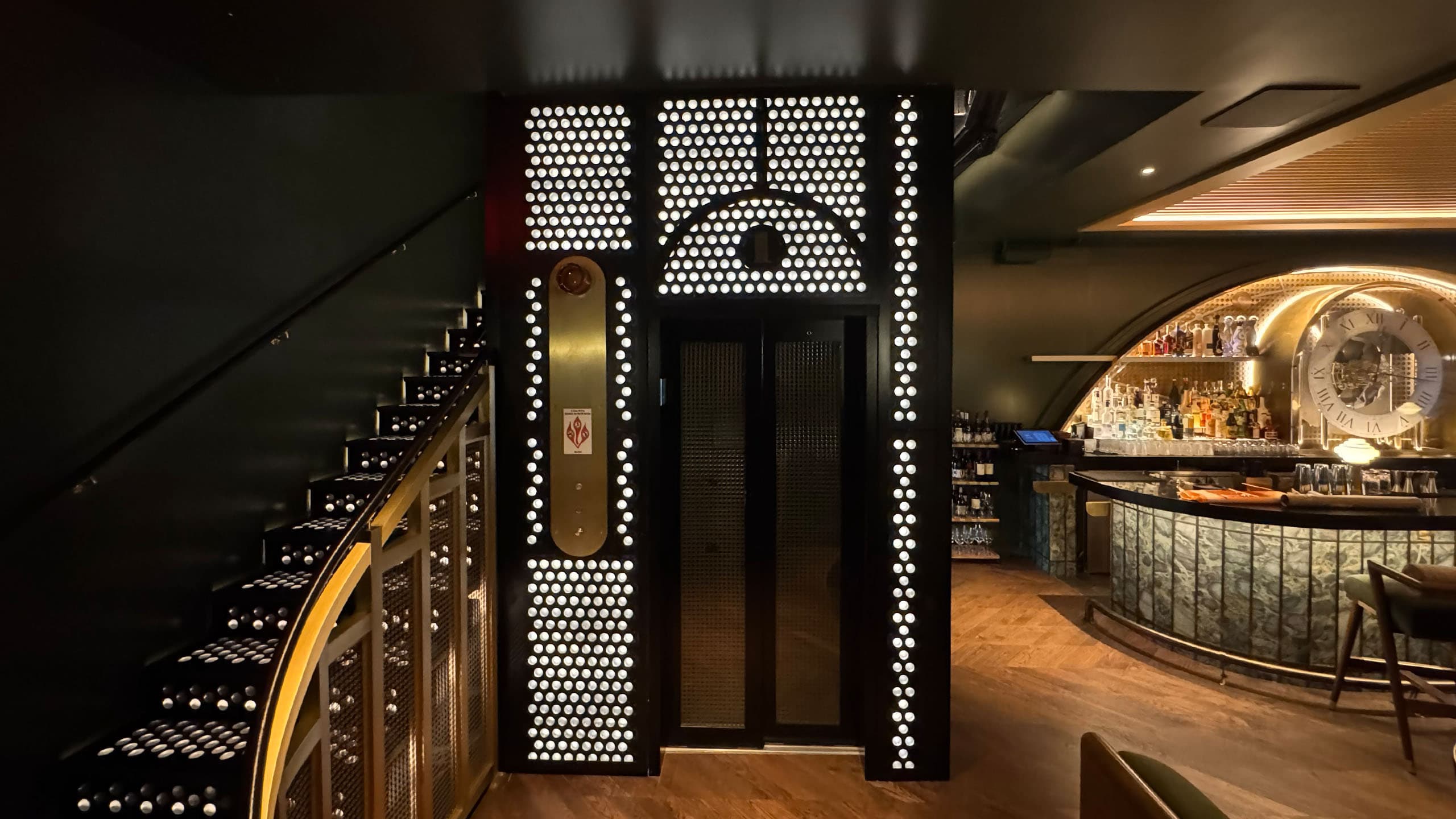
Depending on the building’s layout and accessibility objectives, owners may consider solutions such as commercial elevators, LULA elevators, platform lifts, or other lift systems designed to improve access between levels.
For some projects, a traditional elevator may be the most appropriate option. In others, a platform lift or compact accessibility solution may better align with the available space and project requirements.
Understanding the range of available options is often the first step in identifying the most effective solution for a particular building.
Common Building Types That Pursue Accessibility Improvements
Accessibility upgrades can benefit a wide variety of commercial and public-facing buildings.
Common examples include:
- restaurants
- schools
- houses of worship
- libraries
- fitness centers
- office buildings
- community centers
In many of these environments, accessibility improvements help create a more welcoming experience for visitors while improving access between floors and different areas of the facility.
As buildings evolve to serve changing communities and user needs, accessibility often becomes an important part of long-term planning efforts.

Accessibility Improvements in Renovation and Retrofit Projects
Many accessibility upgrades occur during renovation or modernization projects.
Rather than constructing a new building, owners may choose to improve accessibility as part of an effort to update an existing facility for current and future users.
In these situations, flexibility can become especially important. Available space, existing building conditions, and construction considerations often influence which accessibility solutions are most appropriate.
By incorporating accessibility planning into renovation projects, building owners can often improve usability while preserving the character and function of the existing building.
Planning for Long-Term Accessibility
Accessibility improvements are often viewed as long-term investments in the usability and functionality of a building.
When evaluating solutions, building owners may consider:
- current accessibility needs
- future building usage
- visitor experience
- employee access
- long-term flexibility
Taking a proactive approach can help create spaces that remain accessible and welcoming for years to come.
Finding the Right Accessibility Solution
Every commercial building presents unique opportunities and challenges when accessibility improvements are being considered.
The most effective solution depends on factors such as building layout, project goals, available space, and how the facility serves its users.
Understanding available accessibility options early in the planning process can help building owners make informed decisions that support both current and future needs.
Explore Accessibility Solutions for Your Building
Whether you’re planning a renovation, modernizing an existing facility, or evaluating options for improving accessibility, Cibes Symmetry offers a range of lift and elevator solutions designed for commercial applications.
Contact us to discuss your project and explore accessibility solutions that align with your building’s needs.