5 min read

    Common Use Cases for Vertical Platform Lifts in Public Buildings

    Blog article
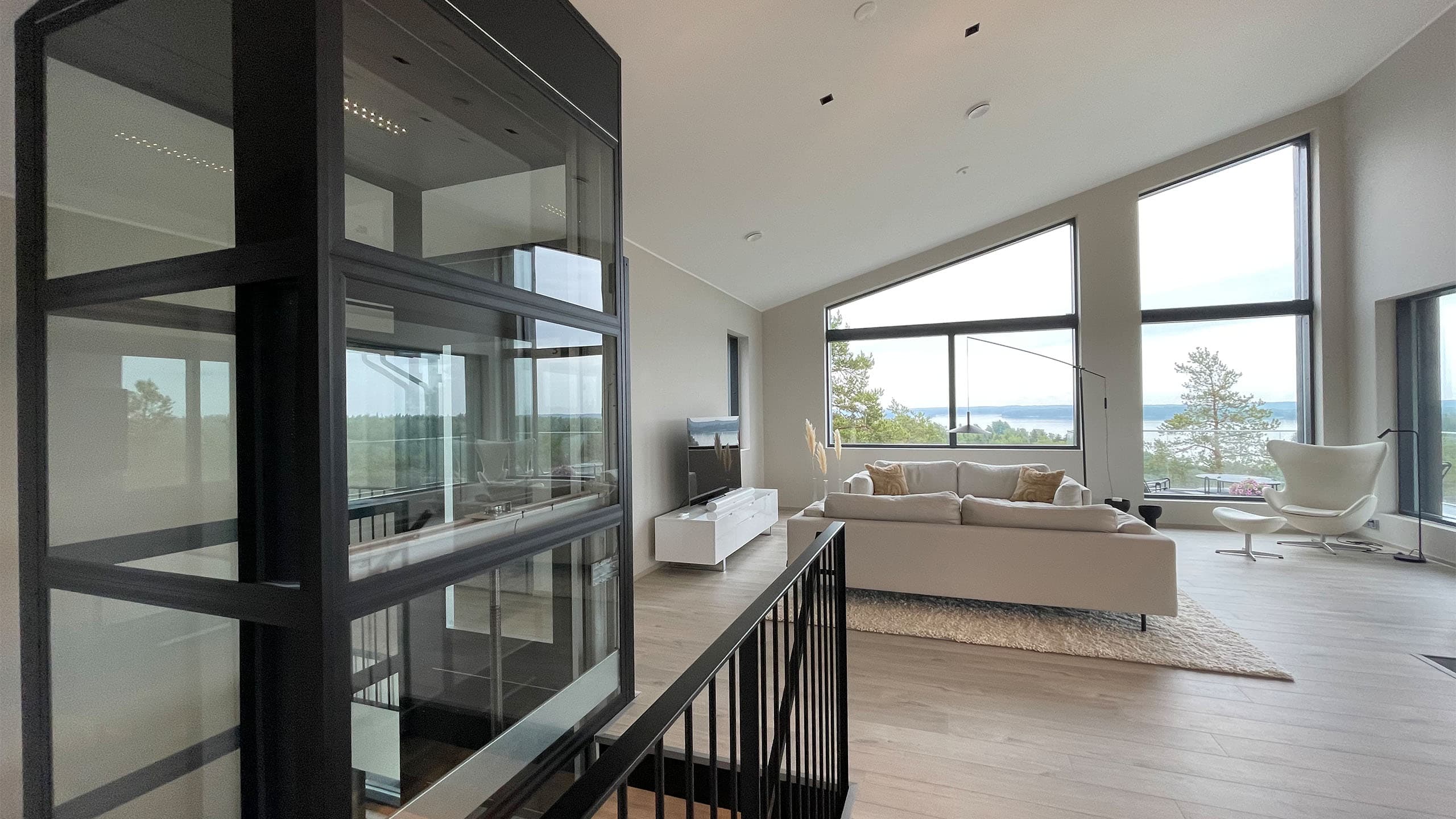
    Commercial Accessibilityvertical platform lift
    vertical platform lift installed in a public building accessibility application

    Many public buildings include small level changes that were never designed with modern accessibility expectations in mind. In these environments, improving access between floors often requires solutions that work within existing structures rather than replacing them.

    Vertical platform lifts are commonly used to improve accessibility between levels in schools, municipal facilities, community buildings, and other public environments where installing a full commercial elevator may not be necessary.

    Where Vertical Platform Lifts Are Most Commonly Used

    Vertical platform lifts are typically selected when accessibility improvements are needed between a small number of levels and structural flexibility is limited.

    These systems are especially effective in retrofit environments where preserving building layout is important.

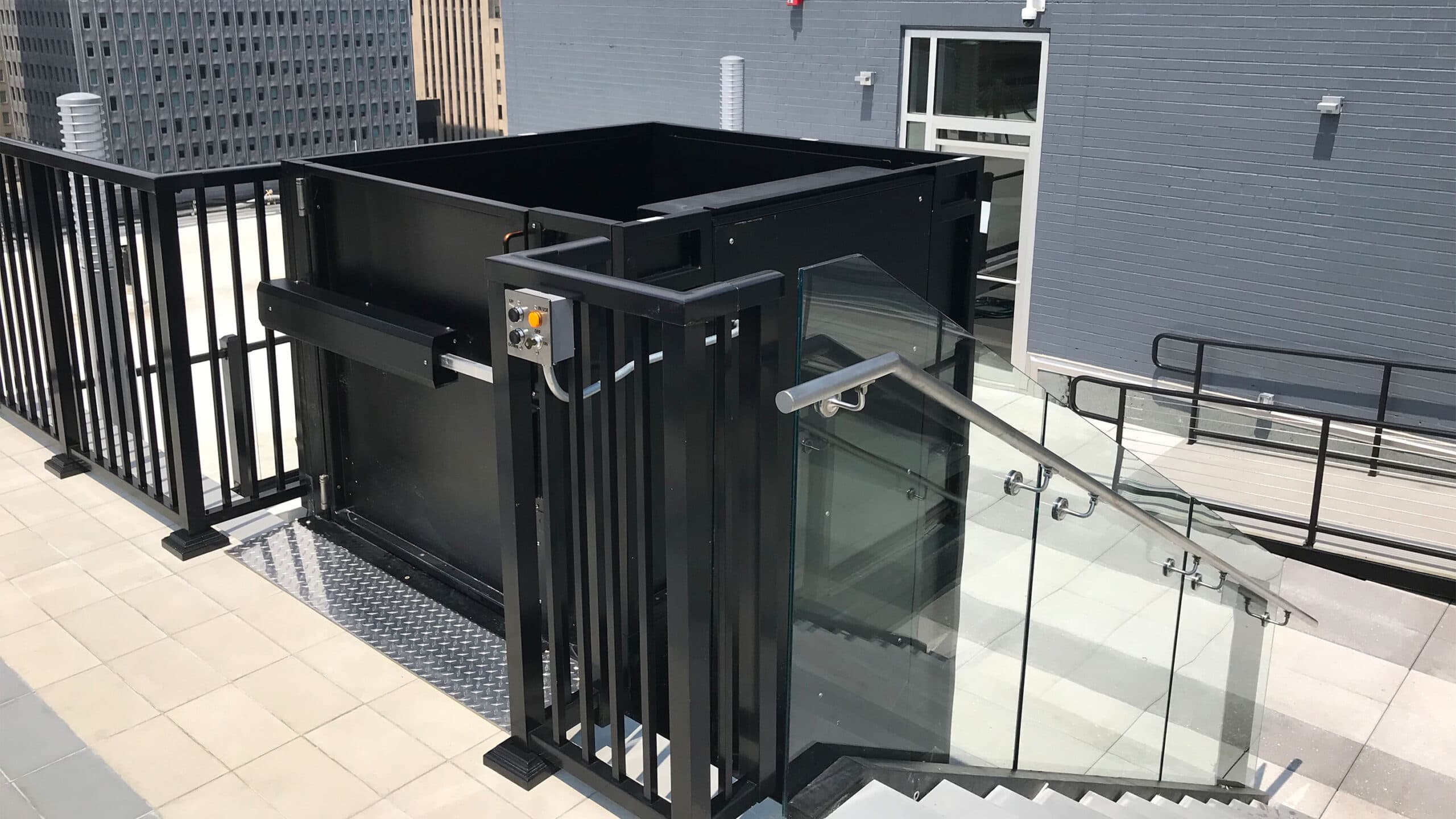
    vertical platform lift providing stage access in an educational facility

    Schools and Educational Facilities

    Educational buildings frequently include split-level transitions between classrooms, libraries, and stage platforms that benefit from improved accessibility.

    Vertical platform lifts are commonly installed for:

    • stage access
    • library mezzanines
    • classroom elevation changes
    • administrative level transitions

    These installations support accessibility improvements while minimizing structural disruption.

    vertical platform lift improving accessibility between levels in a church fellowship hall

    Churches and Community Buildings

    Many churches and community buildings include raised platforms, gathering spaces, and education wings connected by short vertical transitions.

    Platform lifts are often selected because they improve accessibility while preserving architectural character in retrofit environments.

    Common installation locations include:

    • sanctuary platforms
    • fellowship halls
    • classrooms
    • meeting rooms
    vertical platform lift installed in a municipal building retrofit accessibility project

    Municipal Buildings and Civic Facilities

    Libraries, town halls, and public service buildings frequently require accessibility upgrades that work within existing structural constraints.

    Vertical platform lifts are often installed to support:

    • historic accessibility improvements
    • split-level entry transitions
    • service counter access
    • connections between meeting areas

    These applications allow accessibility improvements without major structural reconstruction.

    Why Platform Lifts Are Often Used in Retrofit Accessibility Projects

    Many public buildings were constructed before accessibility planning was standard practice. Platform lifts help address short vertical transitions in these environments while working within structural limitations such as:

    • limited available shaft space
    • historic preservation conditions
    • renovation-phase upgrades
    • compact building layouts
    • This makes vertical platform lifts one of the most practical accessibility solutions for modernization projects.
    vertical platform lift providing accessibility between showroom levels in a retail environment

    Retail and Public-Facing Interior Environments

    Retail spaces, galleries, and visitor-focused environments sometimes include mezzanine areas or raised display platforms that benefit from improved accessibility.

    Platform lifts are commonly installed between:

    • showroom levels
    • display platforms
    • customer service areas
    • interior elevation transitions

    These installations improve accessibility while preserving flexible interior layouts.

    When a Vertical Platform Lift May Be the Right Solution

    Vertical platform lifts are often selected when:

    • accessibility improvements are needed between two levels
    • building space is limited
    • the project involves an existing structure
    • travel height requirements are moderate

    These scenarios represent some of the most common vertical platform lift applications in public buildings.

    Platform Lift vs Commercial Elevator

    While commercial elevators are ideal for larger buildings with higher travel distances and heavier traffic demands, platform lifts are often better suited for:

    • low-rise accessibility upgrades
    • retrofit modernization projects
    • compact installation locations
    • shorter travel height requirements

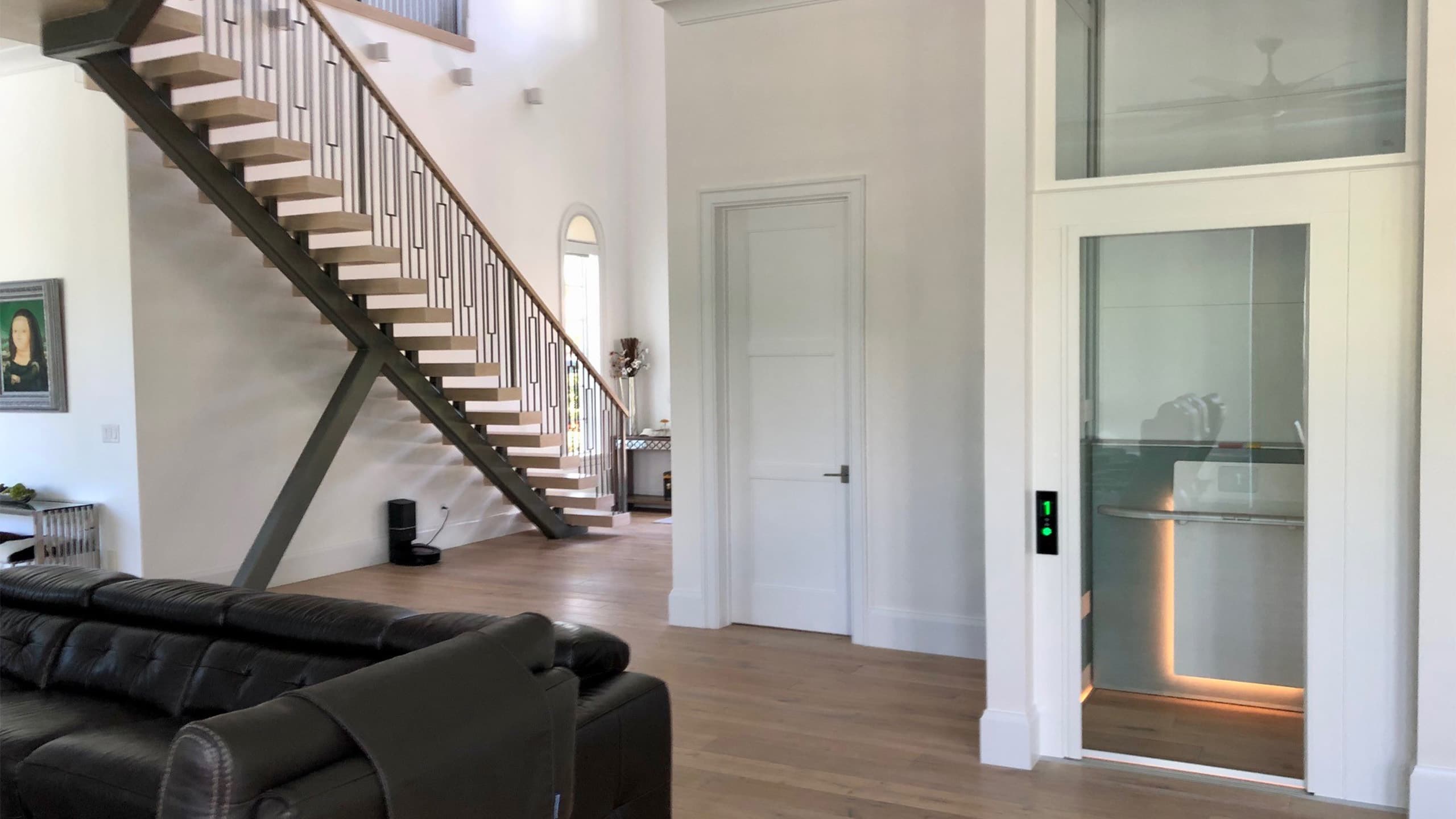
    For projects requiring greater travel height or increased passenger capacity, a Symmetry LULA elevator may be more appropriate.

    Platform Lift Solutions for Public Building Accessibility

    Solutions such as the Cibes Primo platform lift are commonly used in public building accessibility upgrades where installation flexibility and compact footprint requirements are priorities.

    Discover Our VPLs

    Planning Accessibility Improvements in Public Buildings

    Selecting the right accessibility solution depends on building layout, travel distance, expected usage patterns, and long-term accessibility goals.

    Vertical platform lifts provide an efficient solution for improving access between levels in many public environments where a full elevator installation may not be necessary.

    Connect with a Cibes Symmetry dealer to explore vertical platform lift solutions for your project.