4 min read
Do You Need a Shaft for a Home Lift or Platform Lift?
Blog article
Do All Home Lifts Require a Shaft?
Not all home lifts require a traditional shaft (also called a hoistway). While many residential elevators are installed inside a framed shaftway, newer lift solutions are designed specifically for homes where adding a shaft may not be practical.
Whether a shaft is required depends on the type of home lift being installed and how the system travels between floors.

Residential Elevators That Require a Shaftway
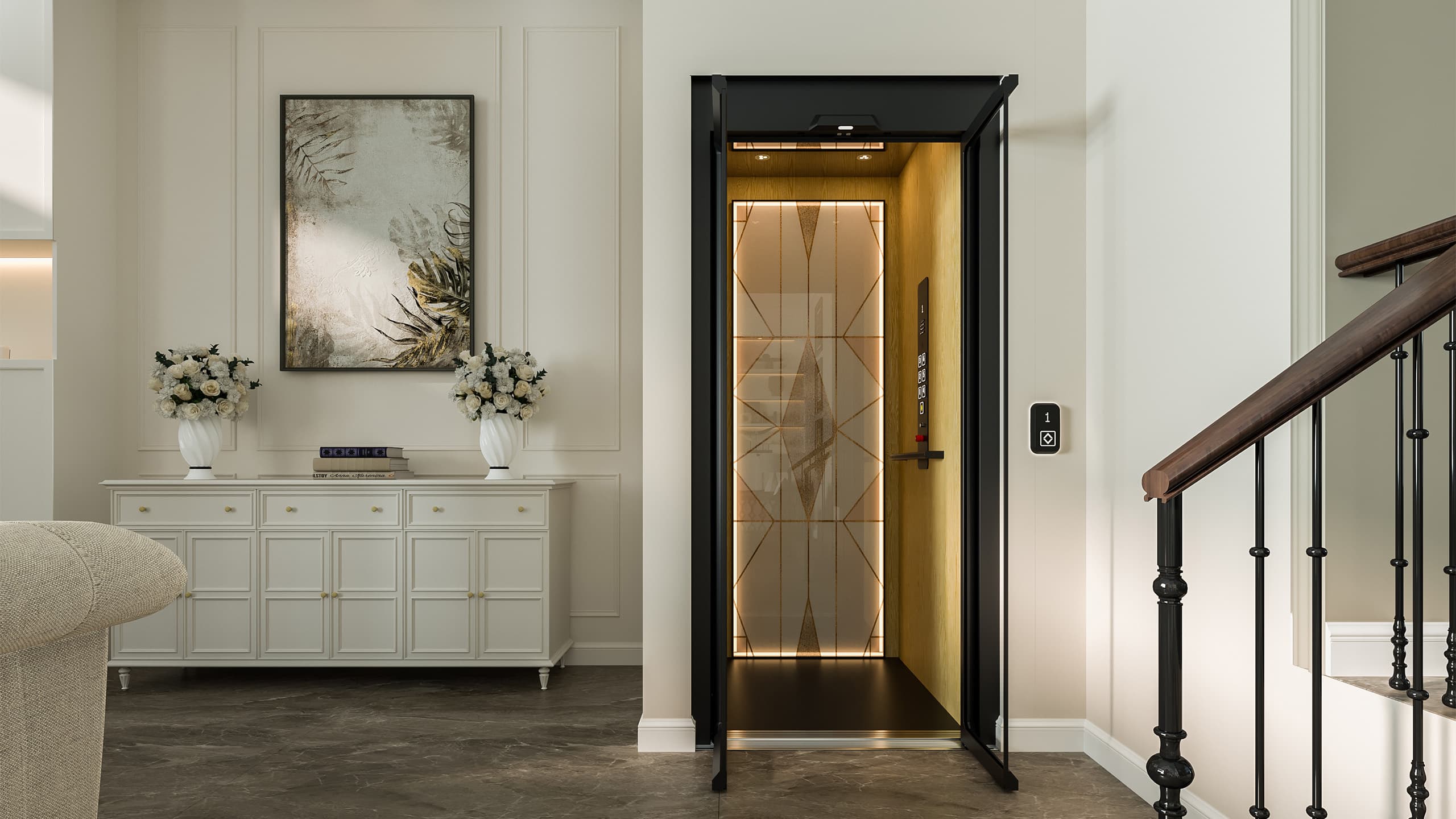
Traditional residential elevators are typically installed inside a framed shaftway that runs between floors of the home. This structure supports safe vertical travel and allows for a fully enclosed elevator experience.
Systems such as the Symmetry Residential Elevator, including the Symmetry Dream and Symmetry Asterix packages, are designed for installation within a hoistway and are often selected for:
- New construction projects
- Multi-story homes
- Long-term accessibility planning
- Homeowners seeking a fully enclosed elevator solution
These elevators can be integrated into the home’s architecture and offer a wide range of cab styles and finish options.

Shaftless Home Elevator Options for Existing Homes
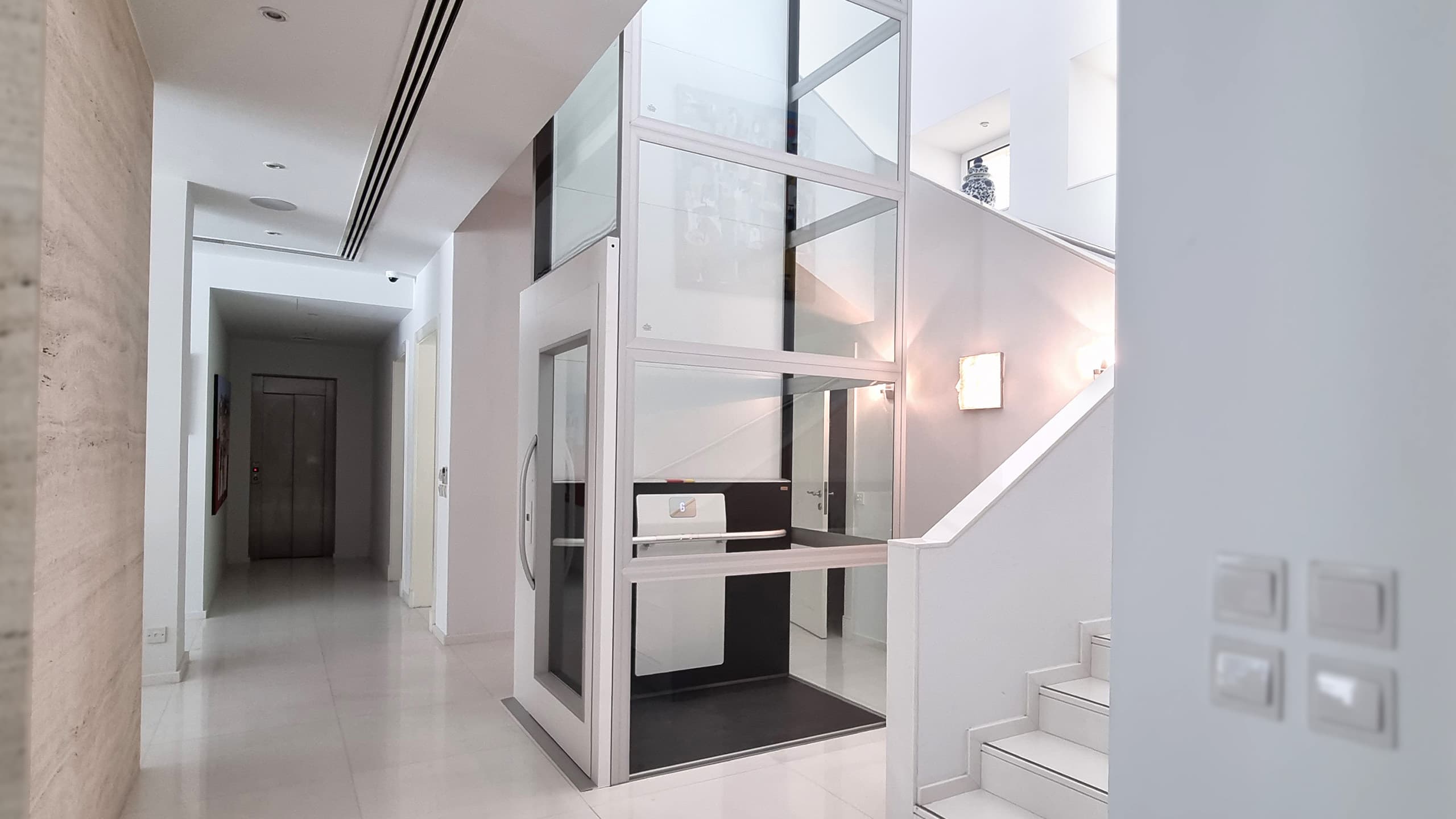
In many existing homes, constructing a full shaftway may not be necessary. Shaftless elevator solutions are designed specifically for these situations.
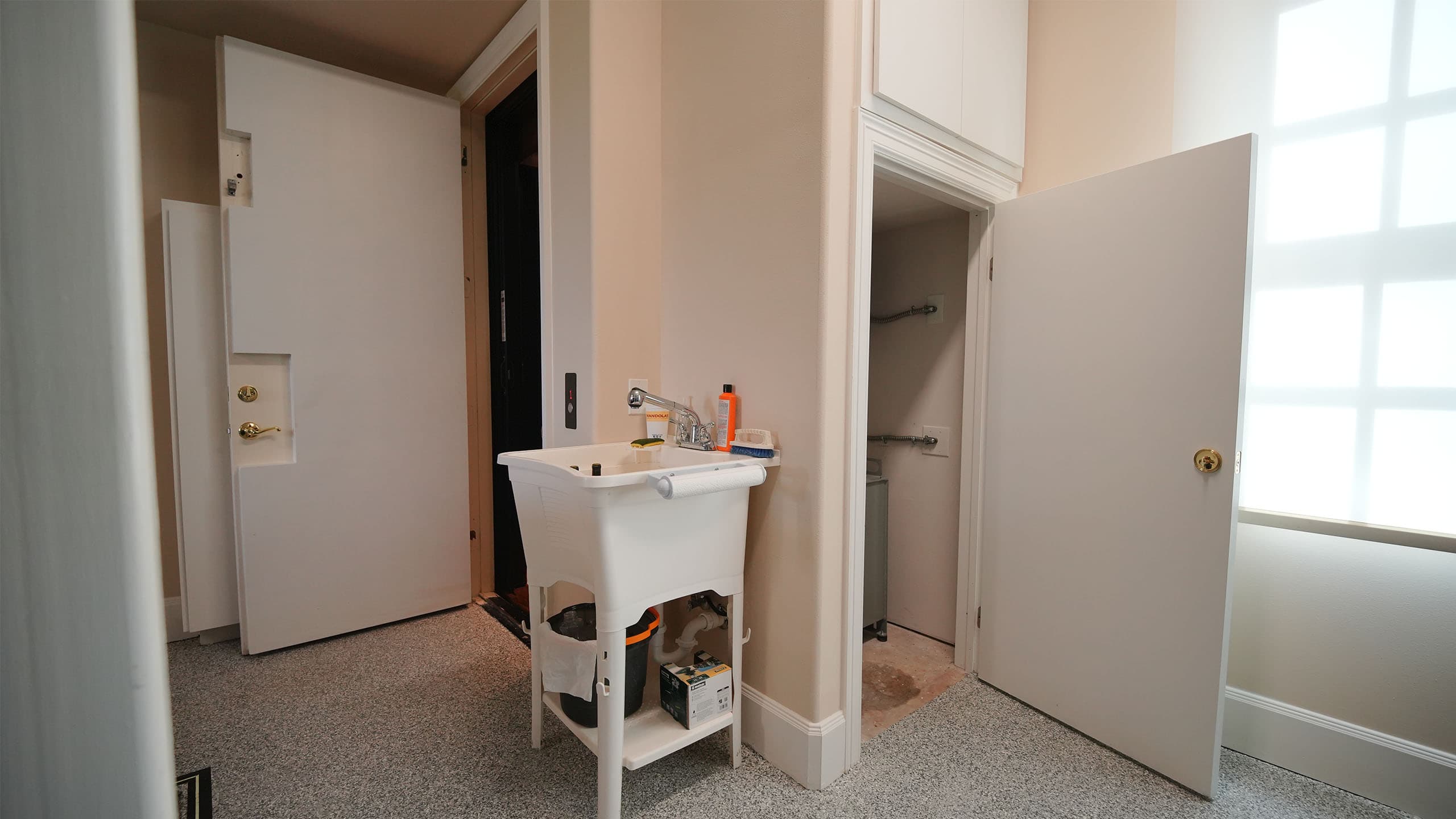
The Cibes Ascenda shaftless home elevator travels through a floor opening between levels and is engineered to minimize structural modification compared to traditional elevators. This makes it a strong solution for:
- Two-story homes
- Retrofit installations
- Tighter floor plans
- Accessibility upgrades without major remodeling

Home Elevators with a Self-Supporting Shaft Structure
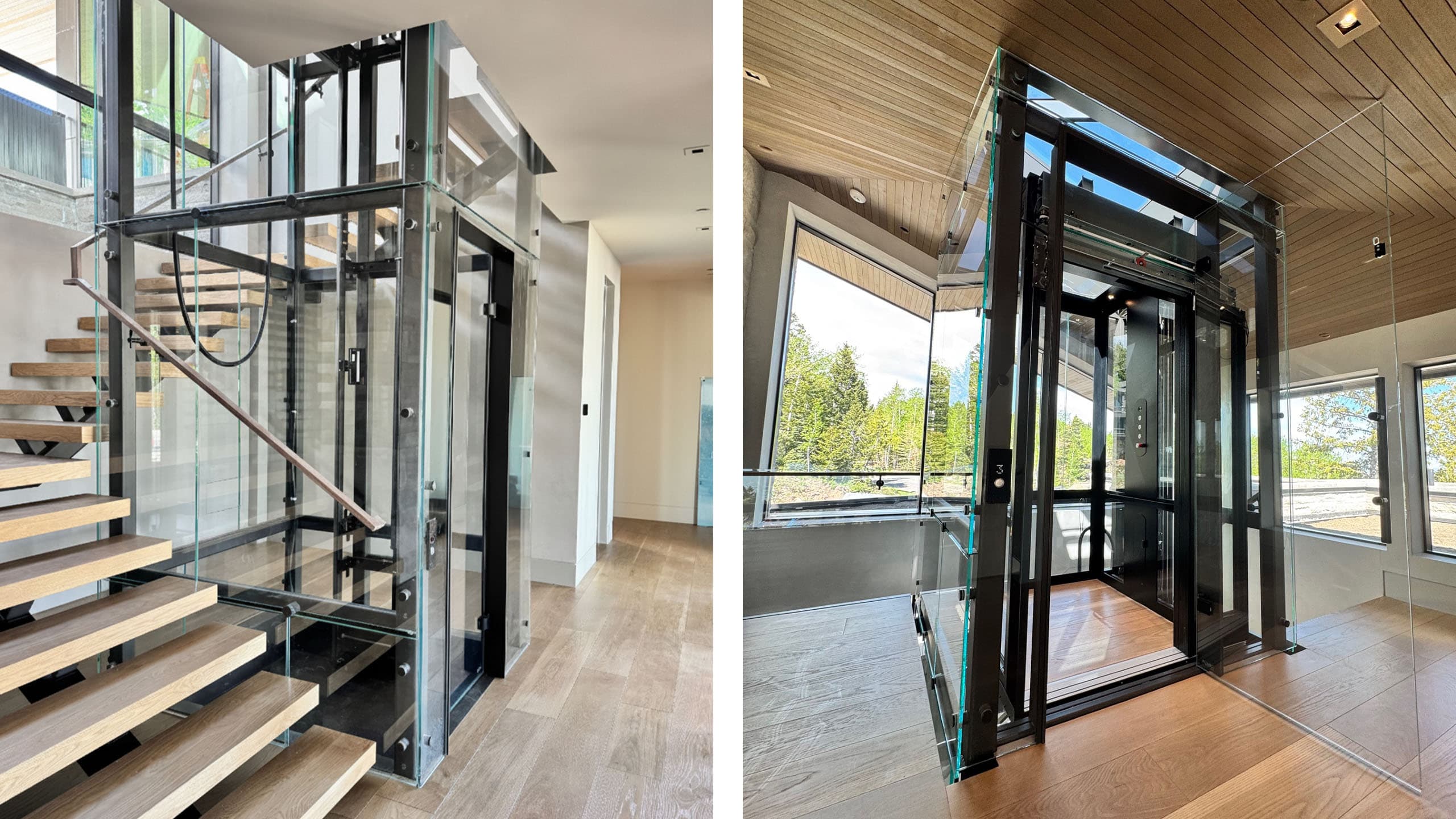
Some residential lift systems include their own self-supporting shaft as part of the lift structure.
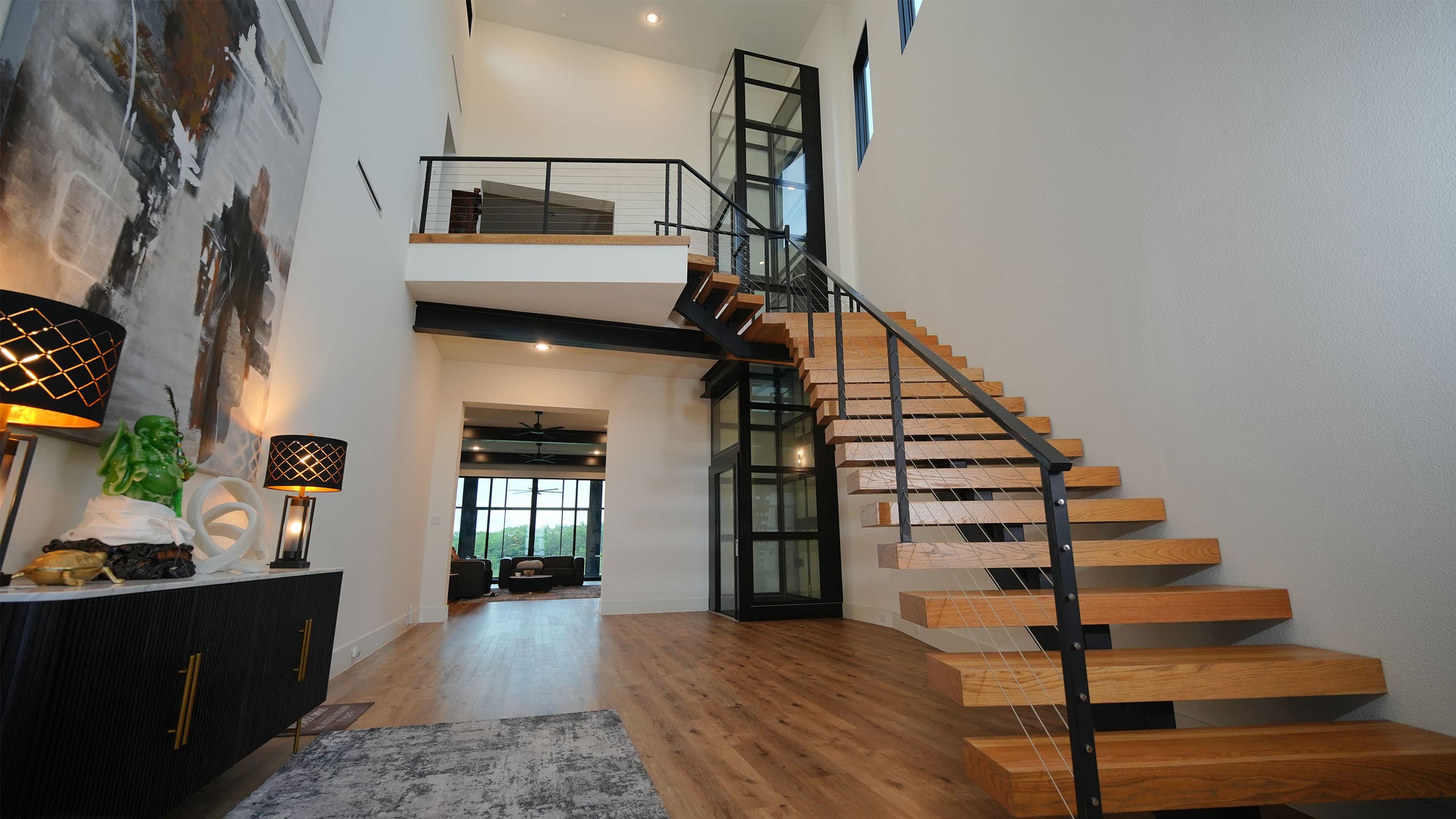
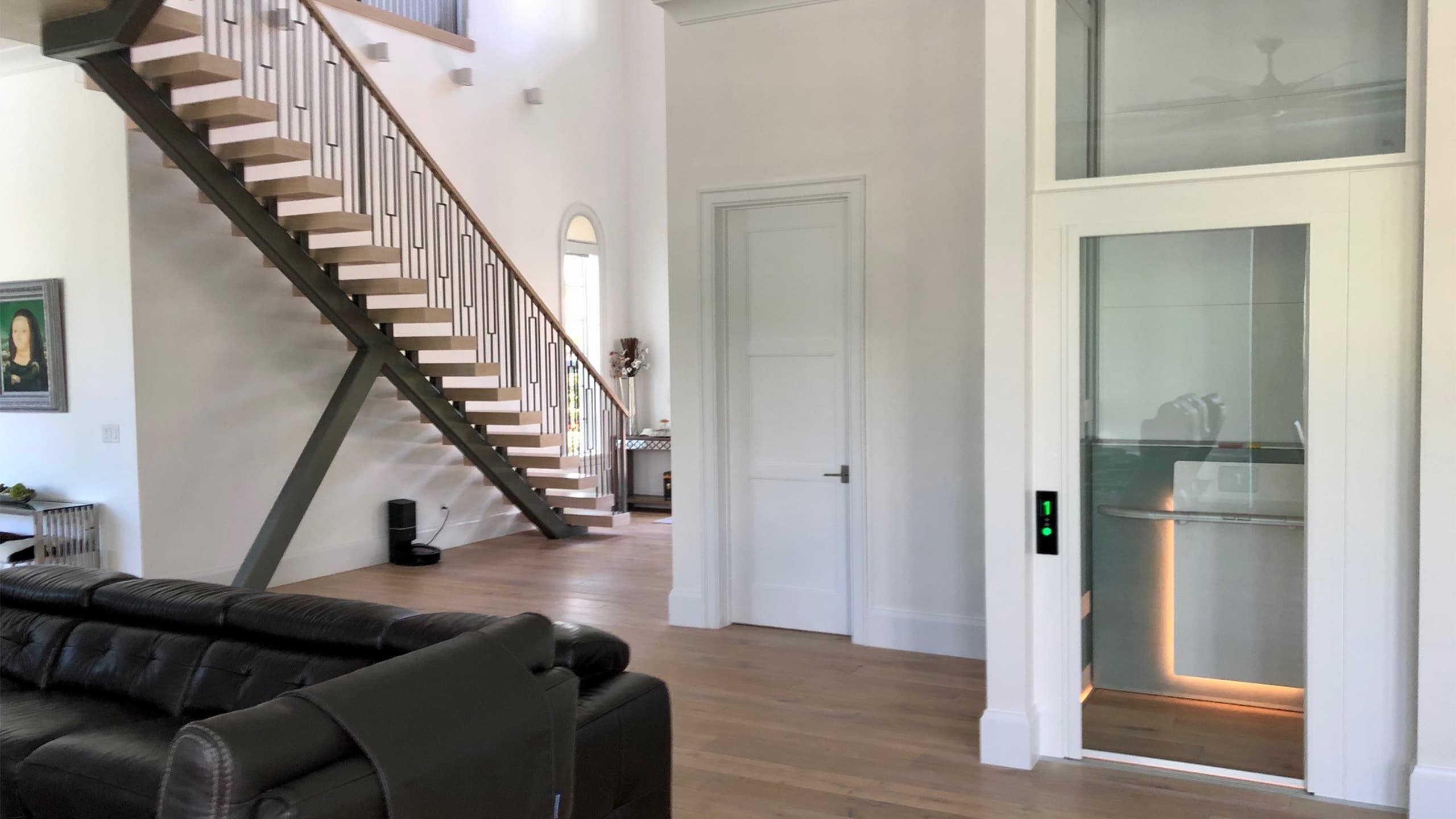
The Cibes Air home lift features a ready-made steel shaft with glass doors and panels, allowing it to function as both an accessibility solution and a visible architectural feature within the home. Because the shaft is part of the lift itself, installation typically requires less framing than a traditional residential elevator.
Cibes Air is often selected for:
- Modern homes
- Open floor plans
- Homeowners interested in a design-forward lift solution
- Projects where installation flexibility is important

Exterior Lift Options That Include a Shaft Structure
In some homes, the best accessibility solution is installed outside the structure rather than inside it.
The Cibes Outdoor Lift includes a ready-made exterior shaft system designed specifically for outdoor installation. These lifts are commonly used to provide access between:
- Ground level and entryways
- Decks or porches
- Garage levels
- Raised first floors
Because the shaft is integrated into the lift structure, installation can often be completed with minimal impact to the existing home.

When a Platform Lift May Be Used in a Home
In certain residential situations, a platform lift may also be an appropriate accessibility solution. While platform lifts are more commonly installed in commercial environments, they are sometimes used in homes for shorter travel distances or entry access.
Solutions such as the Cibes Primo platform lift may be considered when:
- Space is limited
- Travel distance is short
- Accessibility is needed between entry levels
- A compact solution is preferred
Choosing the Right Lift for Your Home Layout
The right solution depends on your home’s layout, number of floors, accessibility needs, and whether constructing a shaftway is practical within the space.
Traditional residential elevators provide a fully enclosed solution for multi-level travel, while shaftless elevators and self-supporting lift systems offer flexible alternatives for retrofit projects and modern homes.
Working with an experienced accessibility specialist can help determine which solution best fits your home.
Find your closest dealer
Get in touch with your closest dealer to take the first step towards the elevator of your dreams.