5 min read

    Can You Add a Lift to an Existing Home? What Homeowners Should Know

    Blog article
    home elevatorResidential elevatorsshaftless elevator
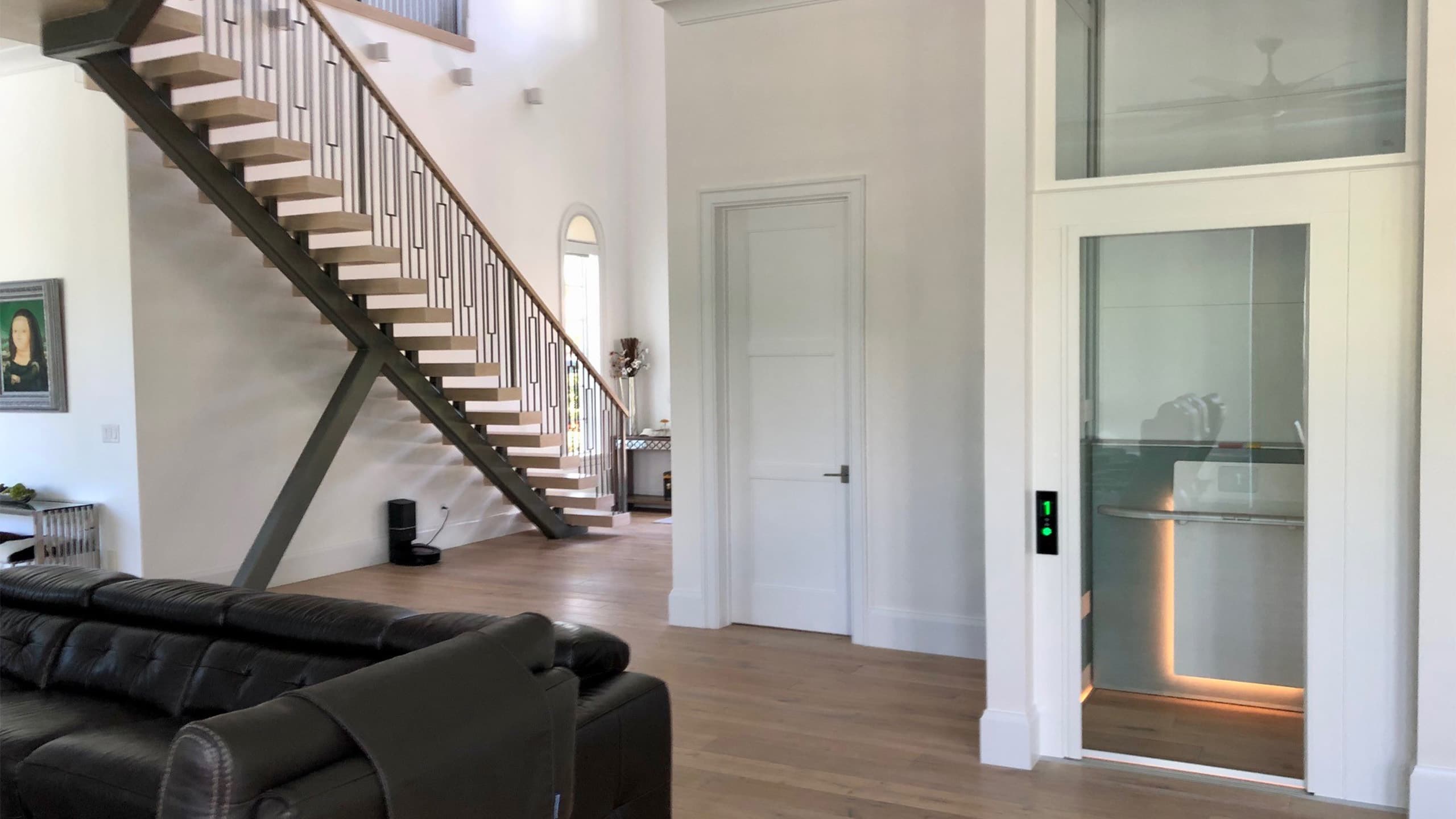
    retrofit residential elevator installed between floors in an existing home

    Many homeowners assume adding a lift to an existing home requires major structural changes—but today’s residential elevator systems are often designed specifically for retrofit situations.

    Depending on the layout of the home and the type of lift selected, several solutions can be installed with less construction than expected. Understanding how modern home elevators fit within existing spaces helps homeowners plan accessibility upgrades with confidence.

    Many homeowners begin researching whether they can add a lift to an existing home before deciding which system is right for their layout.

    accomodating a residential lift in a home

    Can You Add a Lift to an Existing Home?

    Yes. Many homes can accommodate a residential lift even if they were not originally designed for one.

    Modern residential lift systems allow installation in locations such as:

    • near existing stairways
    • inside closets or stacked storage spaces
    • through floor openings between levels
    • along exterior-facing walls
    • in garage-to-entry access areas

    The best installation approach depends on available space, number of floors, and accessibility goals.

    Ascenda shaftless home elevator installed through floor opening in existing home

    Retrofit Elevator Options Designed for Existing Homes

    Some residential lift systems are specifically engineered for retrofit applications where minimizing construction impact is important.

    Solutions like the Cibes Ascenda shaftless home elevator travel through a floor opening between levels and are designed to reduce the need for a traditional shaftway. This makes them especially well suited for:

    • two-story homes
    • tighter floor plans
    • accessibility upgrades
    • projects where preserving existing layouts is a priority

    Because shaftless elevators require less structural modification than traditional systems, they are often installed more quickly while still providing smooth travel between floors.

    Symmetry residential elevator installed inside framed shaftway in existing home

    Traditional Residential Elevators Can Also Be Added to Existing Homes

    Even when a home was not originally designed for an elevator, a framed shaftway can often be added with proper planning.

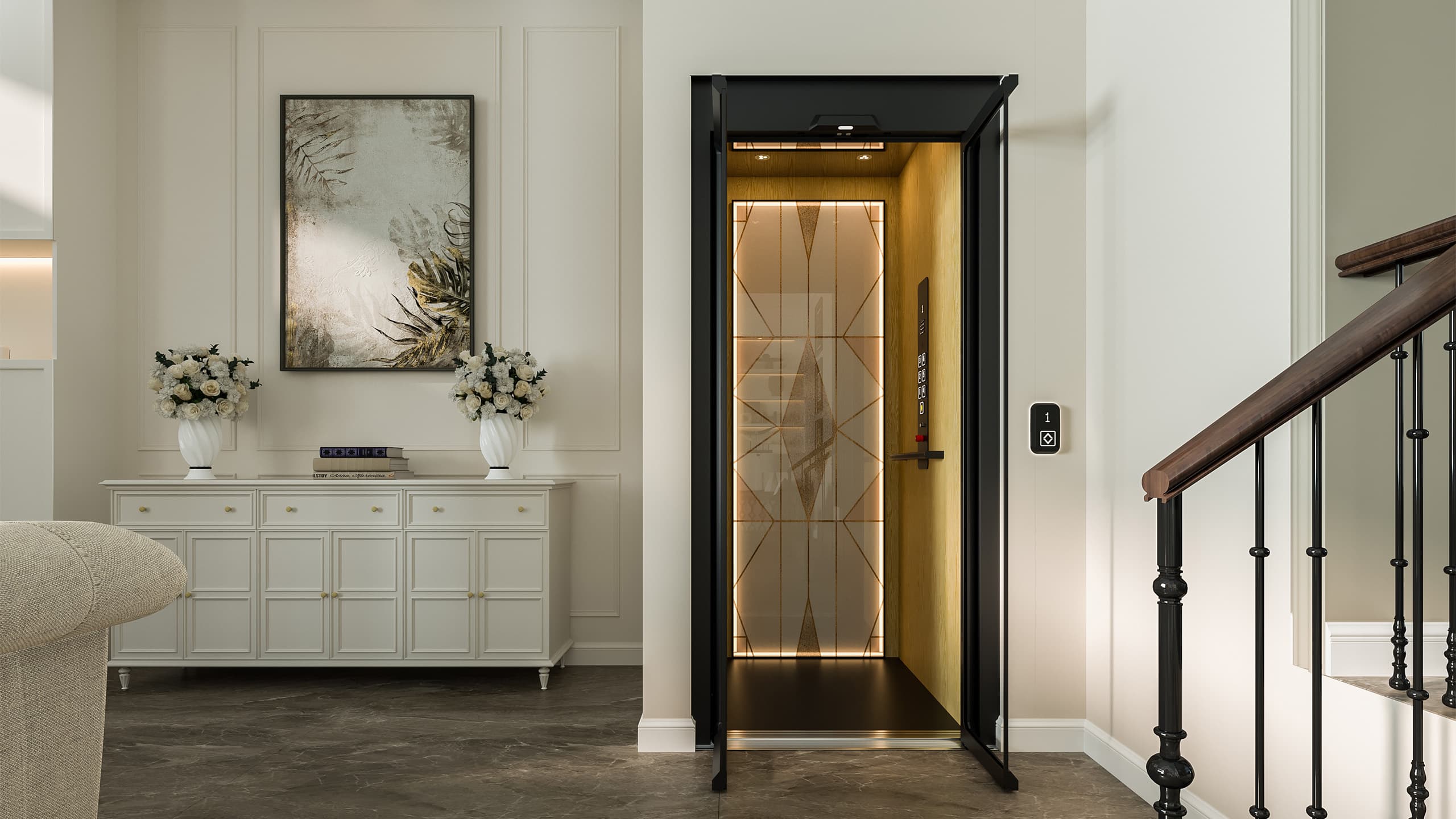
    The Symmetry Residential Elevator, including Symmetry Dream and Asterix packages, is commonly installed in both new construction and retrofit environments where homeowners want:

    • a fully enclosed elevator system
    • travel between multiple floors
    • architectural integration
    • expanded interior customization options

    In many retrofit projects, installation specialists evaluate stacked closets, corner spaces, or garage-adjacent areas to determine whether a shaftway installation is practical.

    Cibes primo home elevator with integrated shaft installed in modern residential layout

    Self-Supporting Lift Systems for Flexible Installation

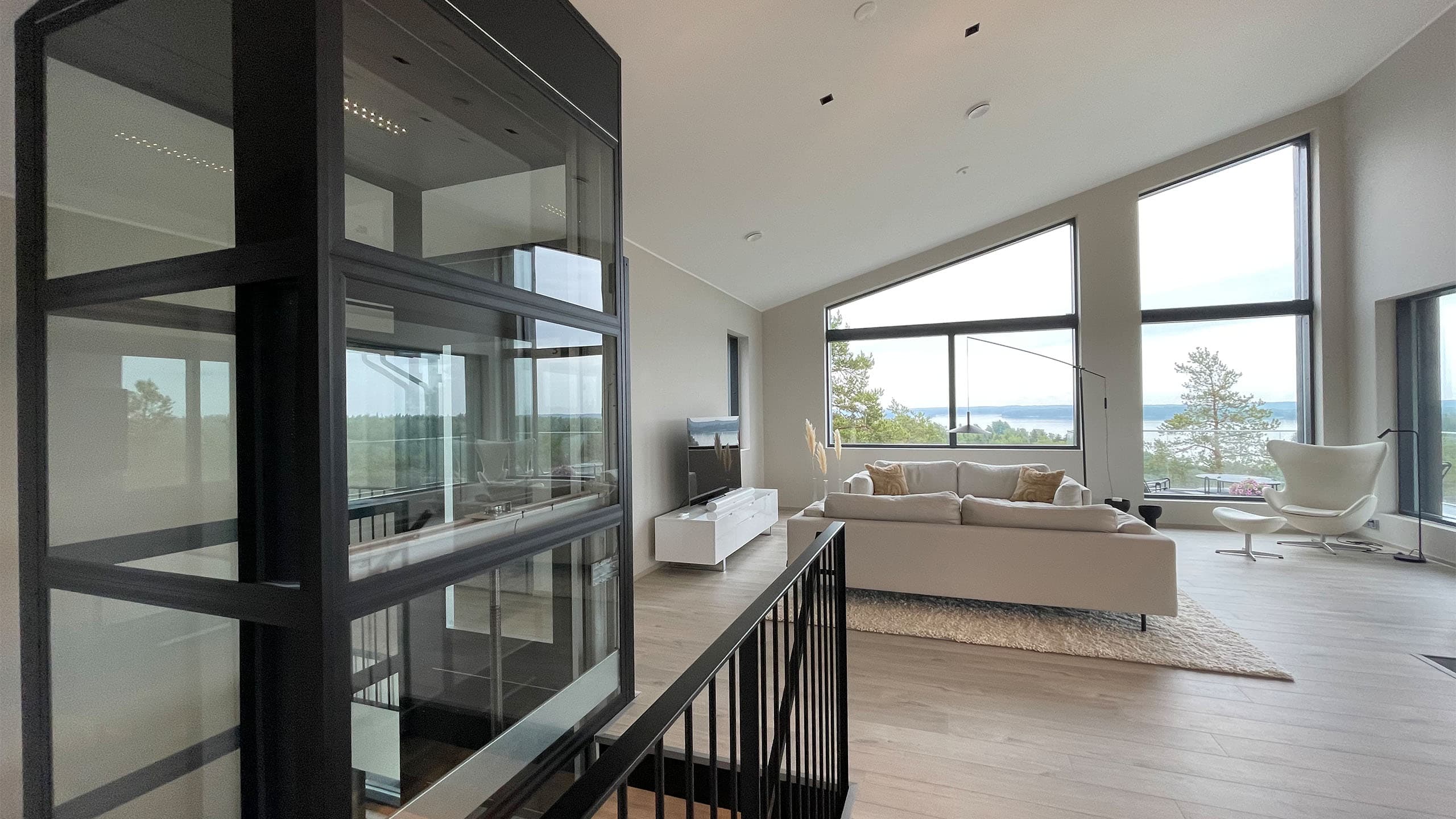
    Some residential lift solutions include a self-supporting shaft structure as part of the lift itself.

    The Cibes Air home lift features a ready-made steel shaft with glass panels and doors, allowing it to function as both an accessibility solution and a visible architectural feature within the home. Because the shaft structure is integrated into the lift system, installation typically requires less framing than a traditional residential elevator.

    These systems are often selected for:

    • modern homes
    • open layouts
    • compact installation areas
    • homeowners interested in design-forward accessibility solutions

    In some retrofit situations where travel distance is shorter or installation space is limited, compact platform lift solutions such as the Cibes Primo platform lift may also be considered. While often used in commercial environments, these lifts can support certain residential accessibility applications when configured appropriately for the home.

    Cibes Outdoor Lift installed outside home providing entry level accessibility

    Exterior Lift Solutions for Entry Access

    In some homes, installing a lift outside the structure provides the most efficient accessibility solution.

    The Cibes Outdoor Lift includes a ready-made exterior shaft system designed specifically for outdoor installation and is commonly used to provide access between:

    • ground level and entryways
    • garages and main floors
    • decks or raised first floors

    Exterior lift installations can help improve accessibility while minimizing changes to the home’s interior layout.

    unused corner spaces existing space lift

    Where Can a Lift Be Installed in an Existing Home?

    Residential lifts can often be installed in locations homeowners don’t initially expect, including:

    • stacked closets
    • stair-adjacent spaces
    • garage entry transitions
    • unused corner spaces
    • exterior wall alignments

    Evaluating placement options early helps determine which installation strategy fits best within an existing layout.

    Modify-Your-Home-to-Add-a-Lift-homeowners

    Do You Need to Modify Your Home to Add a Lift?

    Many homeowners are surprised to learn that adding a lift does not always require major structural reconstruction. Depending on the type of system selected, installation may involve anything from a framed shaftway to a through-floor opening or a self-supporting lift structure.

    Understanding these differences helps homeowners choose a solution that fits both their accessibility needs and the structure of their home.

    Planning Early Helps Simplify Retrofit Installation

    Adding a lift to an existing home is often easier than homeowners expect when planning begins early.

    Understanding structural conditions, travel height, and available installation space helps identify whether a shaftway elevator, shaftless lift, self-supporting system, or exterior accessibility lift is the best fit for the home.

    Working with an experienced residential elevator provider helps ensure the selected solution aligns with both accessibility goals and the layout of the home.

    Find your closest dealer

    Get in touch with your closest dealer to take the first step towards the elevator of your dreams.