Modern Home Elevator Features Homeowners Often Overlook
Why Homeowners Look Beyond Basic Elevator Functionality
Residential elevators are no longer viewed only as accessibility equipment. In many homes, elevators are now considered part of the overall design and daily living experience.
As homeowners explore different systems, many discover that the details influencing comfort, aesthetics, and usability matter just as much as basic functionality. Modern residential elevator systems now include a wide range of design and performance features that can significantly affect how the elevator feels within the home.
Understanding these features early helps homeowners choose systems that align with both accessibility goals and architectural preferences.
Lighting and Interior Finishes
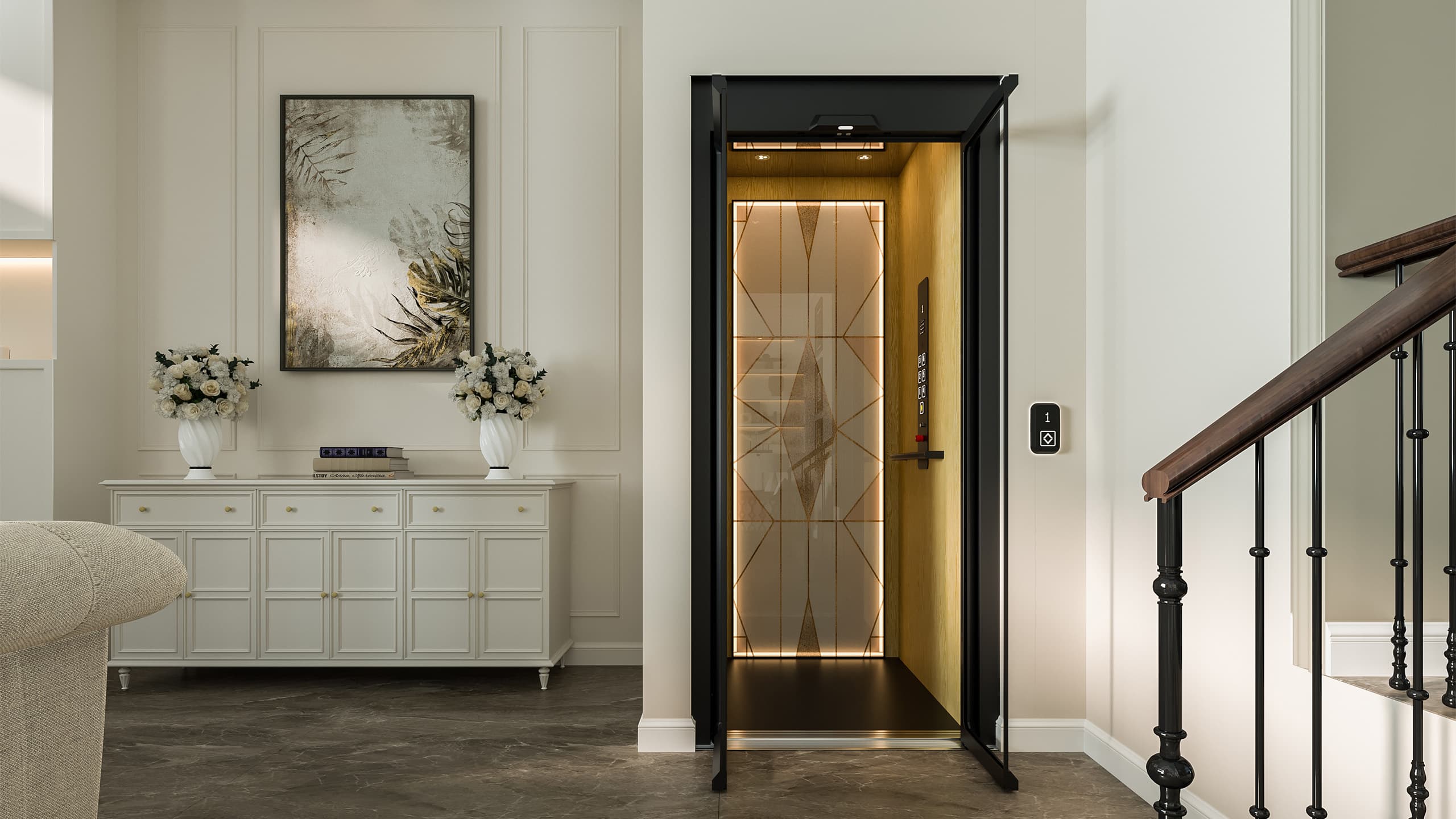
Interior lighting plays a major role in how a residential elevator feels within a space. Modern systems often incorporate integrated LED lighting designed to create a brighter, more open interior environment.
Homeowners also increasingly focus on interior finishes that complement the surrounding home design. Depending on the elevator system, customization options may include:
- wall panel finishes
- flooring materials
- ceiling styles
- handrail configurations
- lighting layouts
These details help transform residential elevators from purely functional systems into integrated design elements within the home.
Solutions such as the Symmetry Residential Elevator and the Symmetry Asterix package offer a range of finish and interior customization options designed for modern residential environments.
Glass and Visibility Considerations
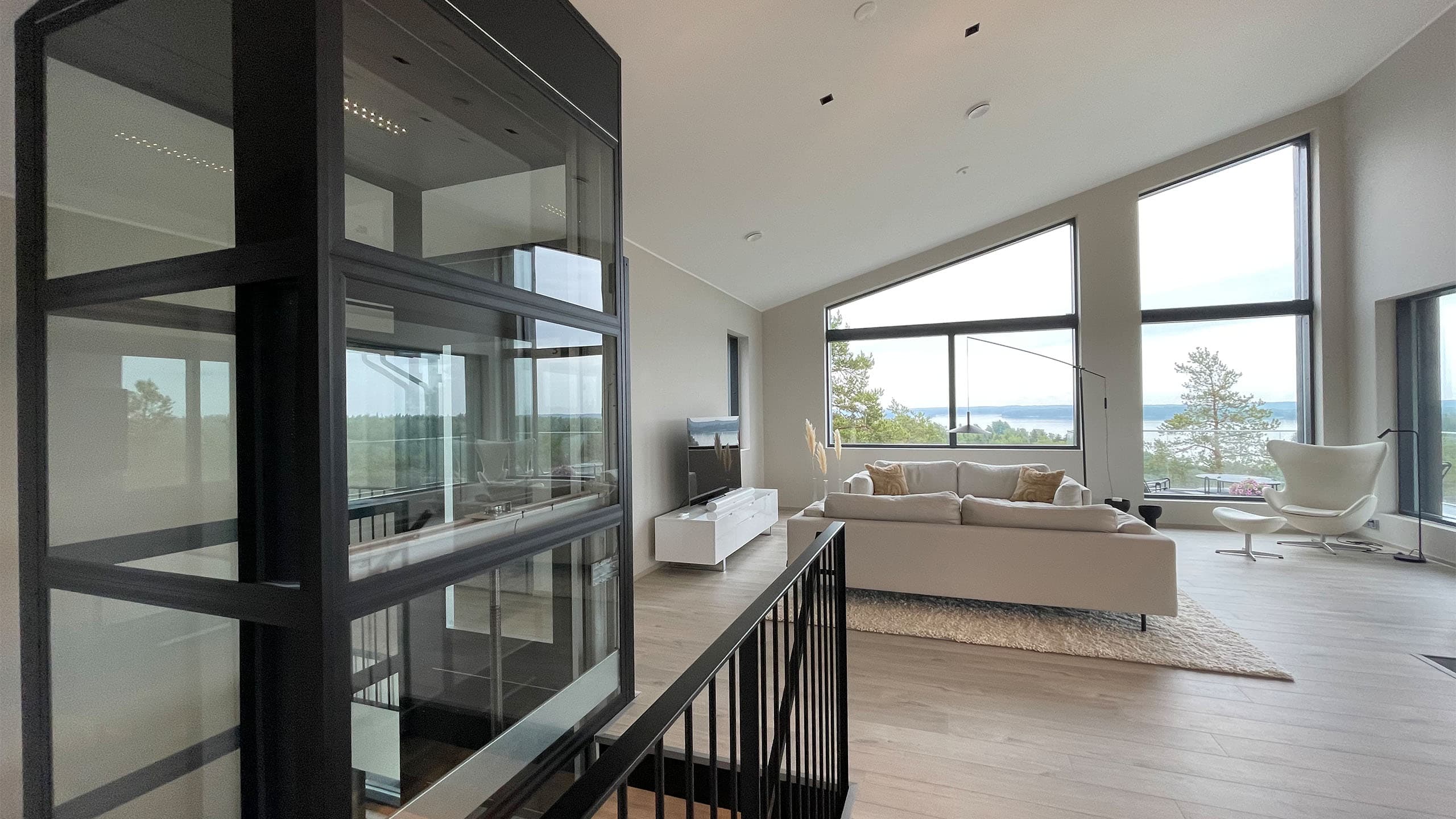
Many homeowners are drawn to glass elevator designs because they create a more open visual connection between levels.
Compared to enclosed shaftway systems with solid walls, glass elevators can help:
- preserve natural light
- reduce visual bulk
- maintain openness within the floor plan
- integrate more naturally into contemporary interiors
Glass elevator systems are especially popular in:
- open-concept homes
- modern renovations
- homes with visible staircases
- contemporary architectural designs
The Cibes Air home lift uses a self-supporting shaft with glass panels and doors designed to function as both an accessibility solution and an architectural feature within the home.
Door Configurations and Entry Experience
Door configuration is another feature homeowners often overlook during early planning stages.
Different elevator systems may offer:
- automatic doors
- swing doors
- sliding configurations
- glass door options
- integrated landing and car door systems
These configurations affect both accessibility and the overall experience of entering and exiting the elevator.
In many modern homes, homeowners prioritize door systems that support smooth transitions between spaces while maintaining a cohesive interior appearance.
Quiet Operation and Ride Comfort
Ride quality is one of the most noticeable aspects of everyday elevator use.
Modern residential elevator systems are often designed to provide smoother travel, reduced vibration, and quieter operation compared to older elevator technologies.
Homeowners frequently prioritize:
- low operating noise
- smooth starts and stops
- stable ride quality
- minimal mechanical disruption within living areas
These features become especially important in open-concept homes where elevator systems remain visible and close to primary living spaces.
The Cibes Ascenda shaftless elevator is often selected in part because of its compact design and quiet operation in residential environments.
Elevator Controls and Everyday Usability
Control systems play a major role in how intuitive a residential elevator feels for daily use.
Modern systems may include:
- touchscreen controls
- simplified call stations
- ergonomic button layouts
- integrated safety controls
- illuminated operation panels
These usability features improve convenience for both homeowners and guests while supporting easier operation across age groups and mobility levels.
Many homeowners begin paying closer attention to these details once they compare different residential elevator systems side by side.
Modern Elevator Design Integration
Today’s residential elevators are increasingly designed to integrate into the home rather than feel separated from it.
Homeowners often evaluate how elevator systems interact with:
- surrounding staircases
- sightlines between floors
- flooring transitions
- architectural finishes
- furniture layouts
- natural lighting conditions
As elevator systems become more design-oriented, many projects prioritize architectural integration alongside accessibility and performance.
Choosing Features That Fit the Home
The best residential elevator features depend on the layout of the home, the goals of the project, and how the system will be used day to day.
Understanding the differences between elevator configurations, finishes, lighting, visibility, and ride experience helps homeowners make more informed decisions before installation begins.
Find a Cibes Symmetry dealer near you to explore residential elevator systems designed for modern homes.