5 min read
Glass Home Elevators: Design Benefits and Installation Considerations
Blog article
Why Homeowners Choose Glass Home Elevators
Residential elevators are no longer viewed only as accessibility equipment. In many modern homes, elevators are now integrated into the architectural design of the space itself.
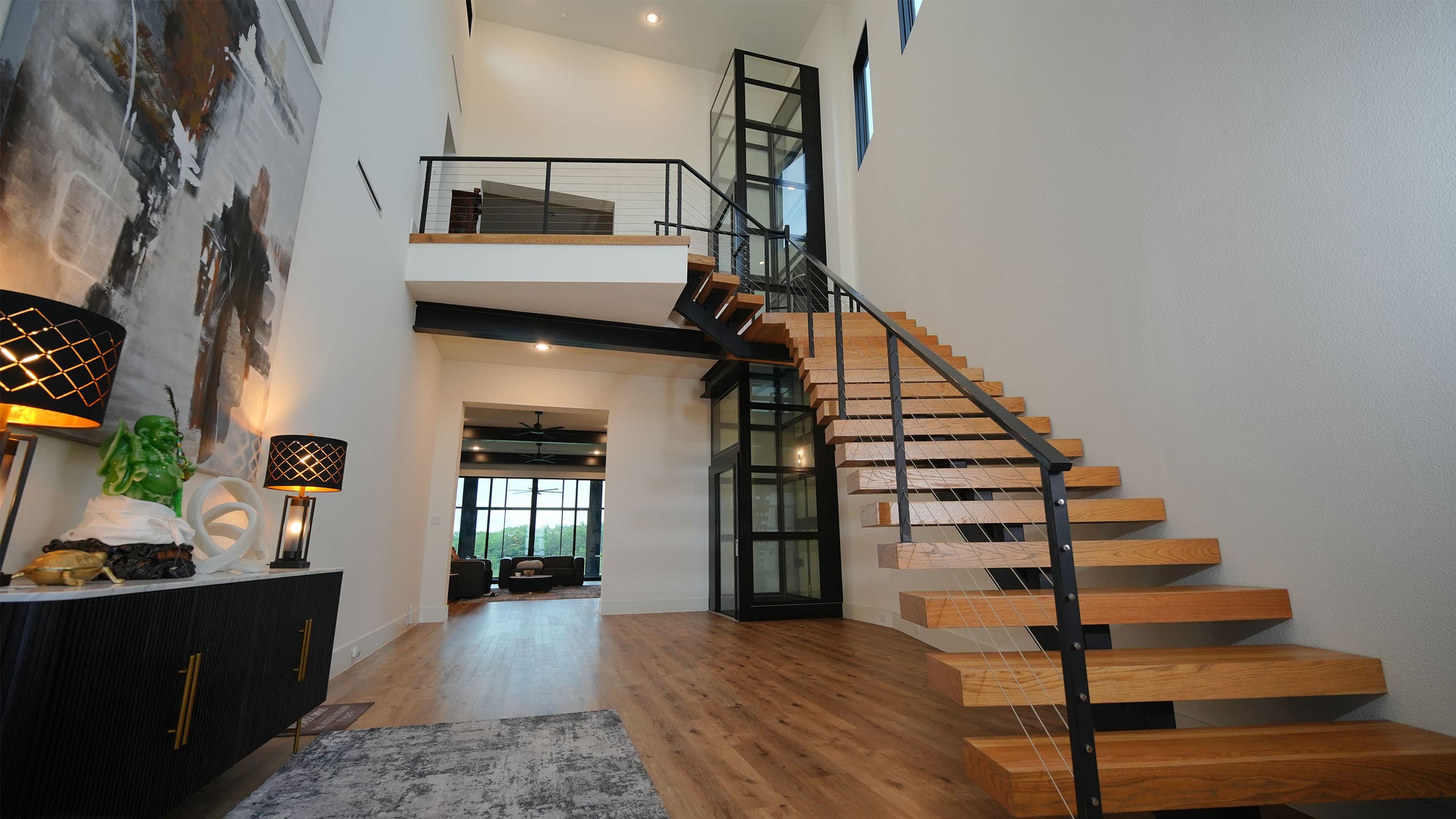
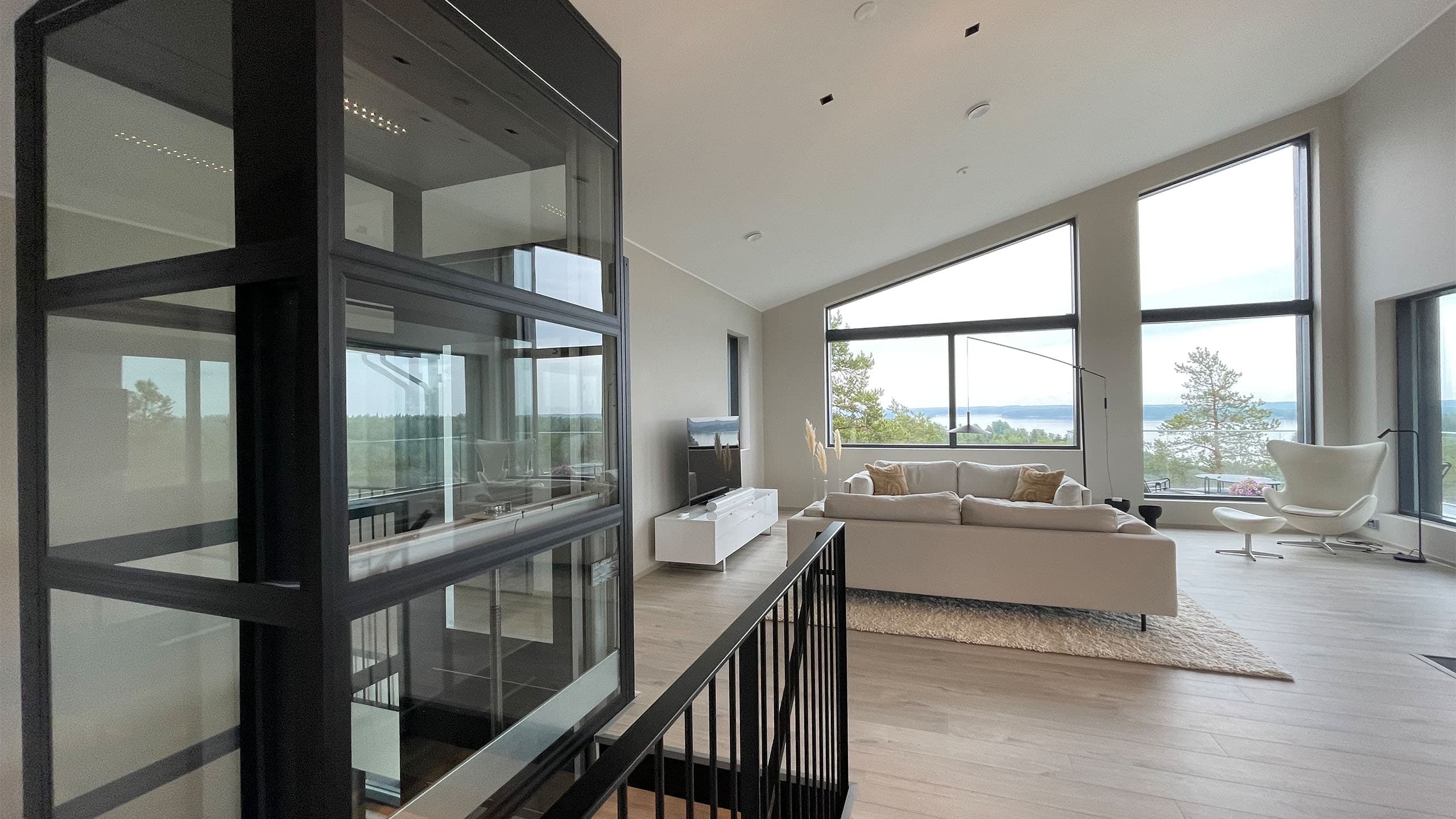
Glass home elevators are especially popular because they combine functionality with a more open and visually connected interior environment. Instead of concealing the elevator behind solid walls and doors, glass elevator systems allow the lift to become part of the overall design of the home.
For homeowners planning accessibility improvements, modern glass elevators can support mobility needs while complementing contemporary interior aesthetics.

How Glass Elevators Change the Feel of a Home
One of the primary advantages of a glass home elevator is the way it affects the visual openness of a space.
Traditional enclosed elevator shafts can create a heavier visual footprint inside the home. Glass elevator systems help reduce that effect by allowing:
- more natural light between spaces
- improved visibility throughout the home
- a more open architectural appearance
- modern design integration
Because of this, glass elevators are often selected for homes with:
- open floor plans
- contemporary interiors
- high ceilings
- visible staircases
- modern renovation projects
Modern Glass Elevator Designs for Residential Spaces
Modern residential glass elevators are available in a range of configurations depending on the layout and design goals of the home.
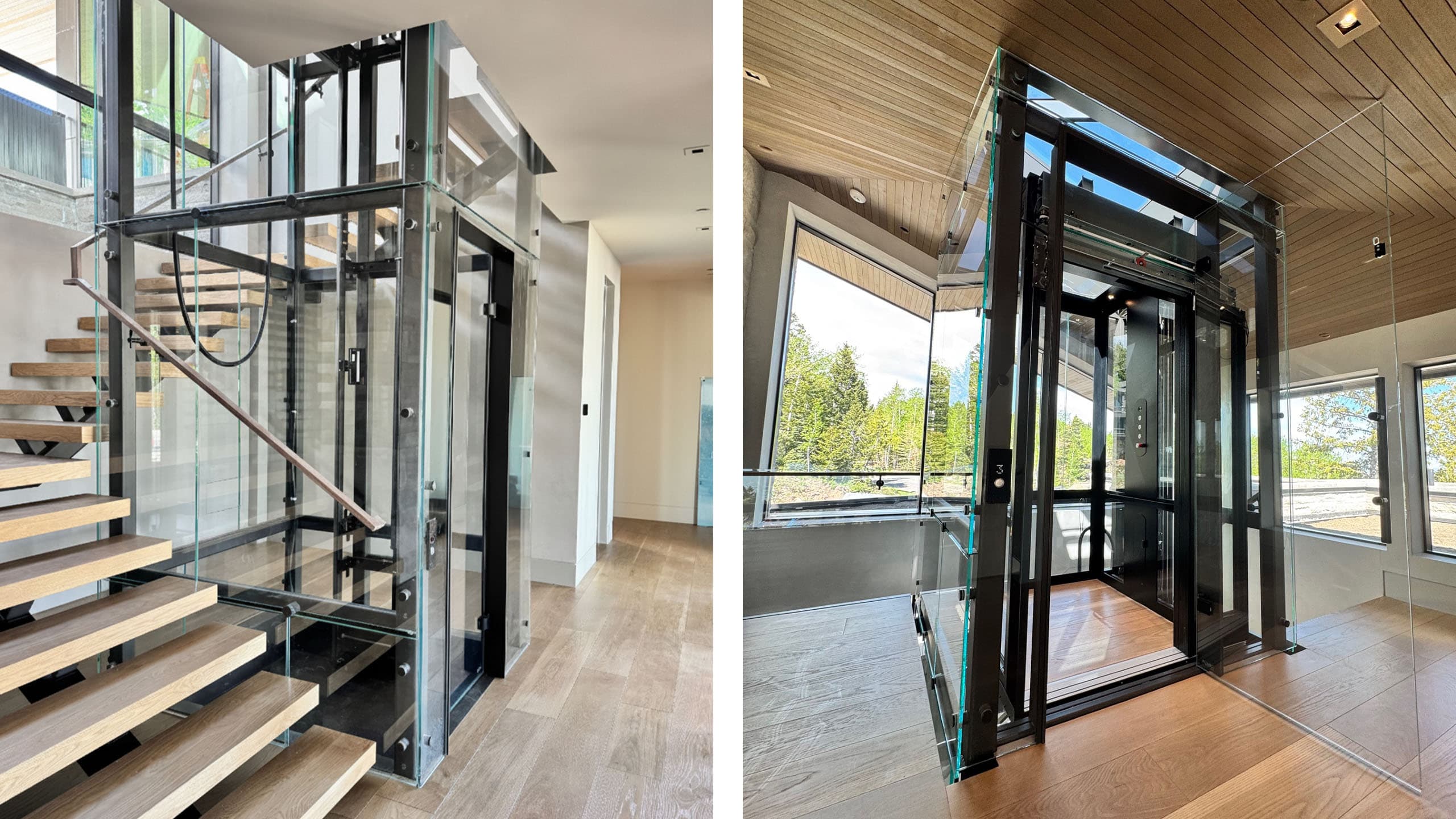
Some systems use glass panels as part of a self-supporting elevator structure, while others integrate glass into a traditional shaftway design.
Homeowners often explore glass elevator systems when they want:
- a more design-forward accessibility solution
- visibility between floors
- minimal visual obstruction
- a lift system that complements modern architecture
This shift has made glass elevators increasingly popular in both new construction and retrofit residential projects.
Glass Elevators in Existing Homes and Retrofit Projects
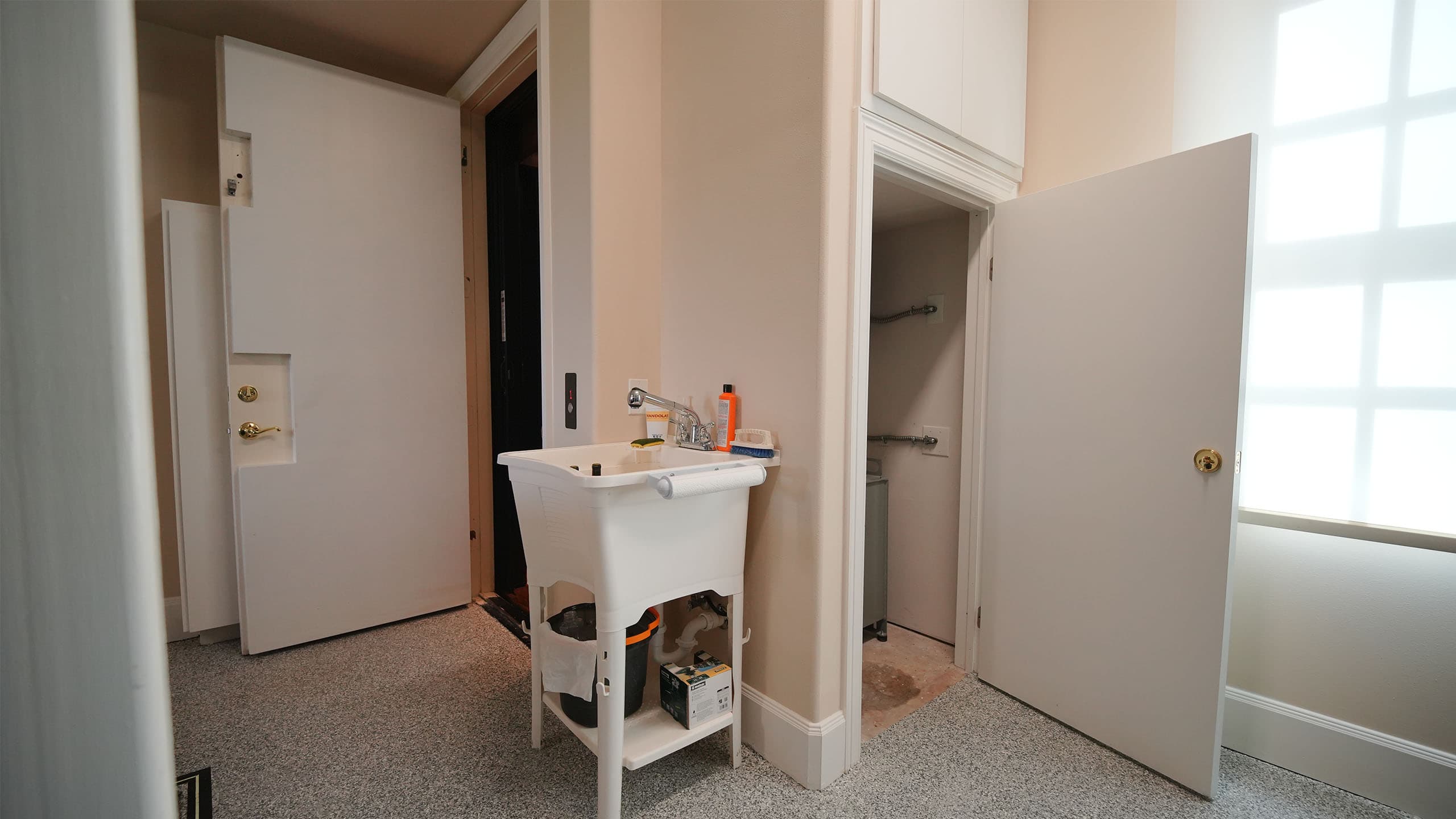
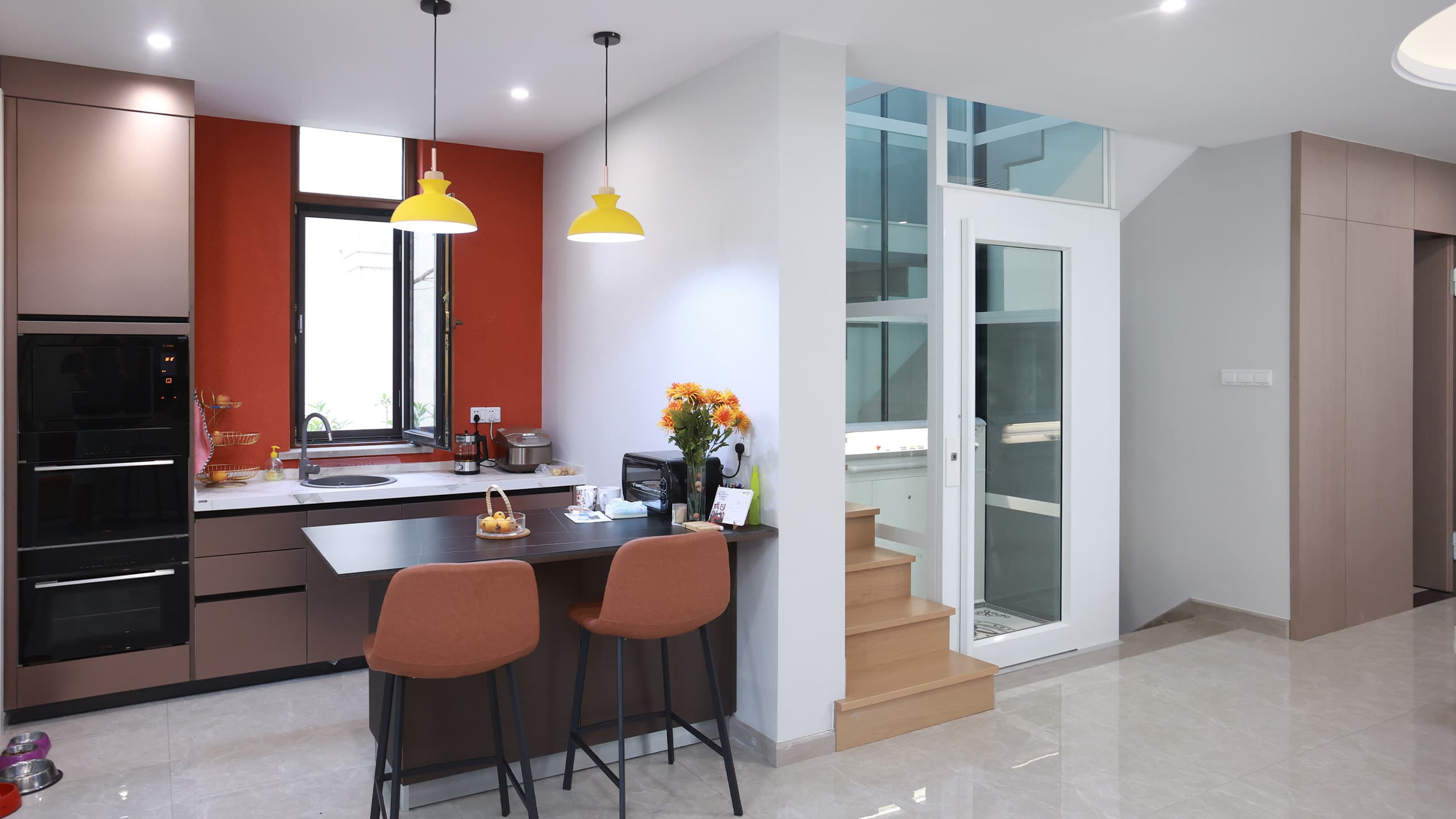
Many homeowners assume glass elevators are only practical in large custom homes, but modern systems are often designed specifically for retrofit applications as well.
Depending on the installation approach, glass elevator systems can sometimes be integrated into:
- existing floor plans
- stair-adjacent spaces
- open living areas
- renovation projects
- compact residential layouts
For homeowners evaluating accessibility improvements in existing homes, modern elevator systems may provide more installation flexibility than expected.

Self-Supporting Glass Elevator Systems
Some modern elevator systems include their own integrated shaft structure as part of the lift itself.
The Cibes Air home lift uses a self-supporting shaft with glass panels and doors designed to function as both an accessibility solution and a visible architectural feature within the home.
Because the shaft structure is integrated into the system, installation often requires less framing than traditional residential elevator construction approaches.
These systems are commonly selected for:
- modern homes
- open-concept layouts
- compact installation areas
- projects prioritizing architectural visibility
Glass Elevators vs Traditional Shaftway Elevators
Glass elevator systems and traditional shaftway elevators each offer different advantages depending on the goals of the project.
Traditional residential elevators are often selected when:
- homeowners prefer enclosed travel
- the elevator is integrated into a framed shaftway
- greater interior customization is desired
- the lift will serve multiple levels throughout the home
Glass elevator systems are often selected when:
- visual openness is important
- preserving natural light matters
- homeowners want the elevator to remain visible within the design of the home
- minimizing visual bulk is a priority
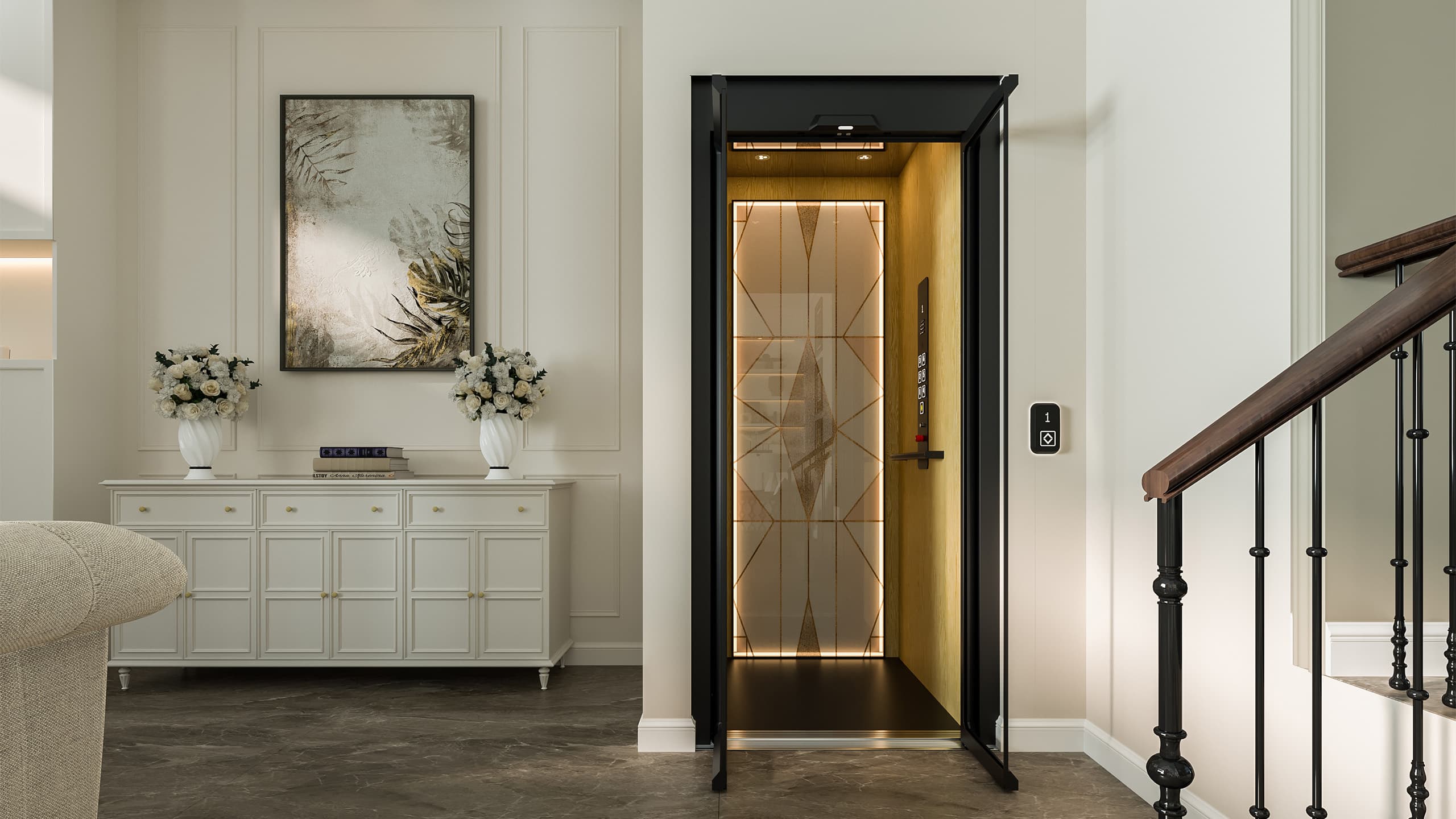
Solutions such as the Symmetry Residential Elevator can also incorporate glass design elements depending on the installation configuration.

Glass Elevator System

Traditional Shaftway Elevator
Planning a Glass Elevator Installation
Planning a residential glass elevator installation involves evaluating both accessibility goals and architectural conditions within the home.
Important considerations often include:
- available floor space
- desired elevator visibility
- natural lighting conditions
- number of levels served
- retrofit vs new construction conditions
Understanding these factors early helps homeowners determine which elevator configuration best supports both the layout and the overall design vision of the home.
Choosing the Right Glass Elevator for Your Home
Glass home elevators combine accessibility with modern architectural design, making them increasingly popular in both new construction and retrofit projects.
Whether the goal is improving mobility, preserving openness within the home, or integrating a more contemporary elevator system into the space, modern glass elevator solutions provide a range of installation and design possibilities.
Find a Cibes Symmetry dealer near you to explore glass home elevator solutions for your project.