5 min read
Planning Accessibility at Home: Short-Term Fixes vs Long-Term Solutions
Blog article
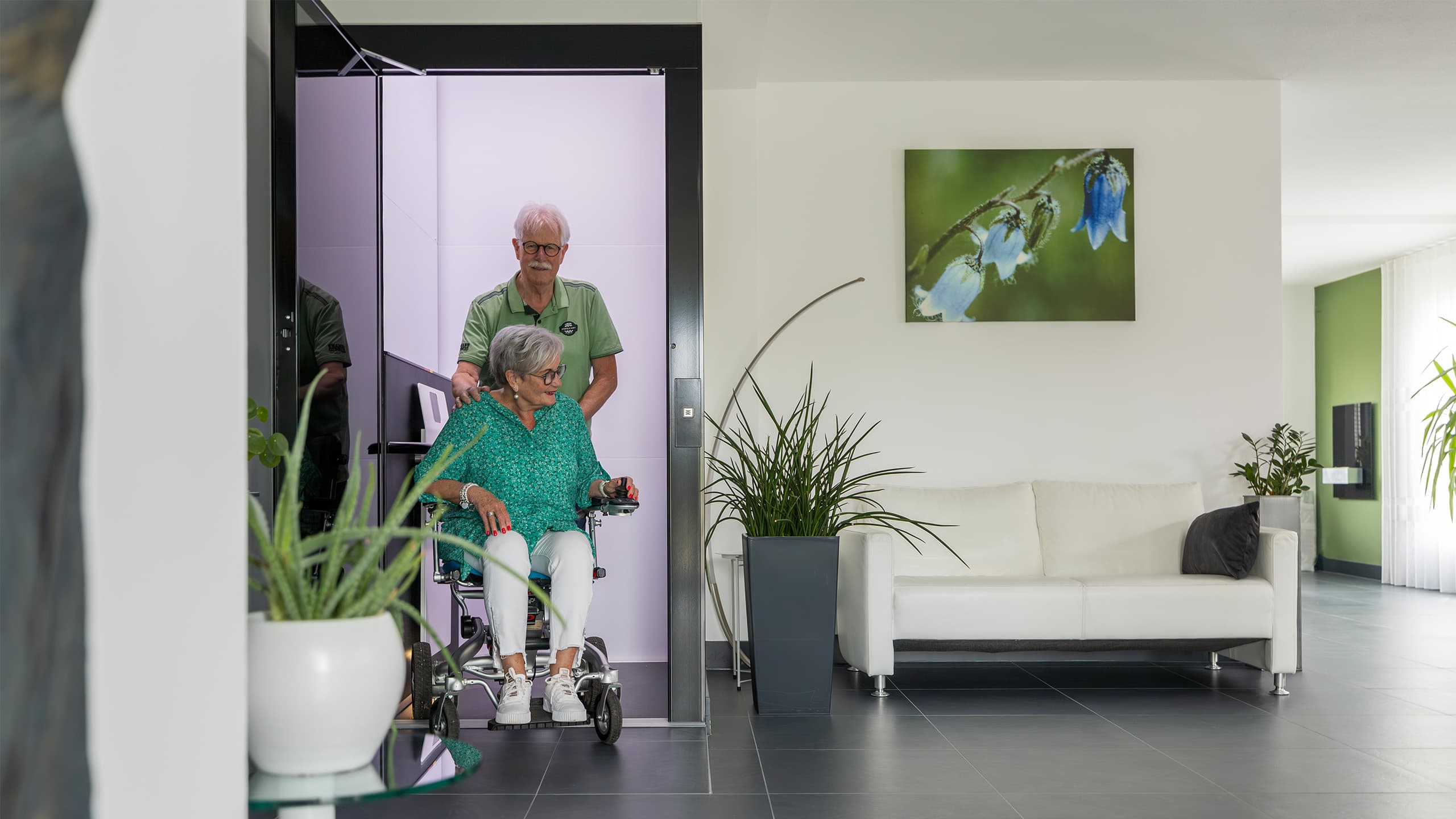
Why Accessibility Planning Matters in Multi-Level Homes
Accessibility needs often begin with a single challenge, such as difficulty navigating stairs, but they rarely stay limited to one area of the home over time.
Planning accessibility at home early helps homeowners choose solutions that support both current mobility needs and future lifestyle changes. Instead of reacting to immediate limitations alone, many families now approach accessibility as part of long-term home planning.
Understanding the difference between short-term mobility solutions and long-term accessibility upgrades helps homeowners make more confident decisions about improving access between floors.


Short-Term Accessibility Solutions for the Home
Short-term accessibility solutions are often selected when mobility needs are temporary or expected to change over time.
These options may include:
- stair lifts for seated travel between floors
- entry-level platform lifts for small elevation changes
- temporary layout adjustments within the home
These solutions typically require minimal construction and can be installed quickly. For many households, they provide an effective first step toward improving safety and independence inside the home.
However, short-term solutions are usually designed to support one user and may not address long-term accessibility goals across the entire home.
When Homeowners Begin Thinking About Long-Term Accessibility
Many homeowners begin exploring long-term accessibility upgrades when mobility needs extend beyond a single staircase or affect more than one household member.
Planning accessibility improvements becomes especially important when:
- wheelchair access may be needed in the future
- multiple levels must remain usable
- aging-in-place is part of the long-term plan
- the home is shared by multiple generations
In these situations, homeowners often begin evaluating residential elevators as a way to support full access throughout the home.

Residential Elevators as Long-Term Accessibility Solutions
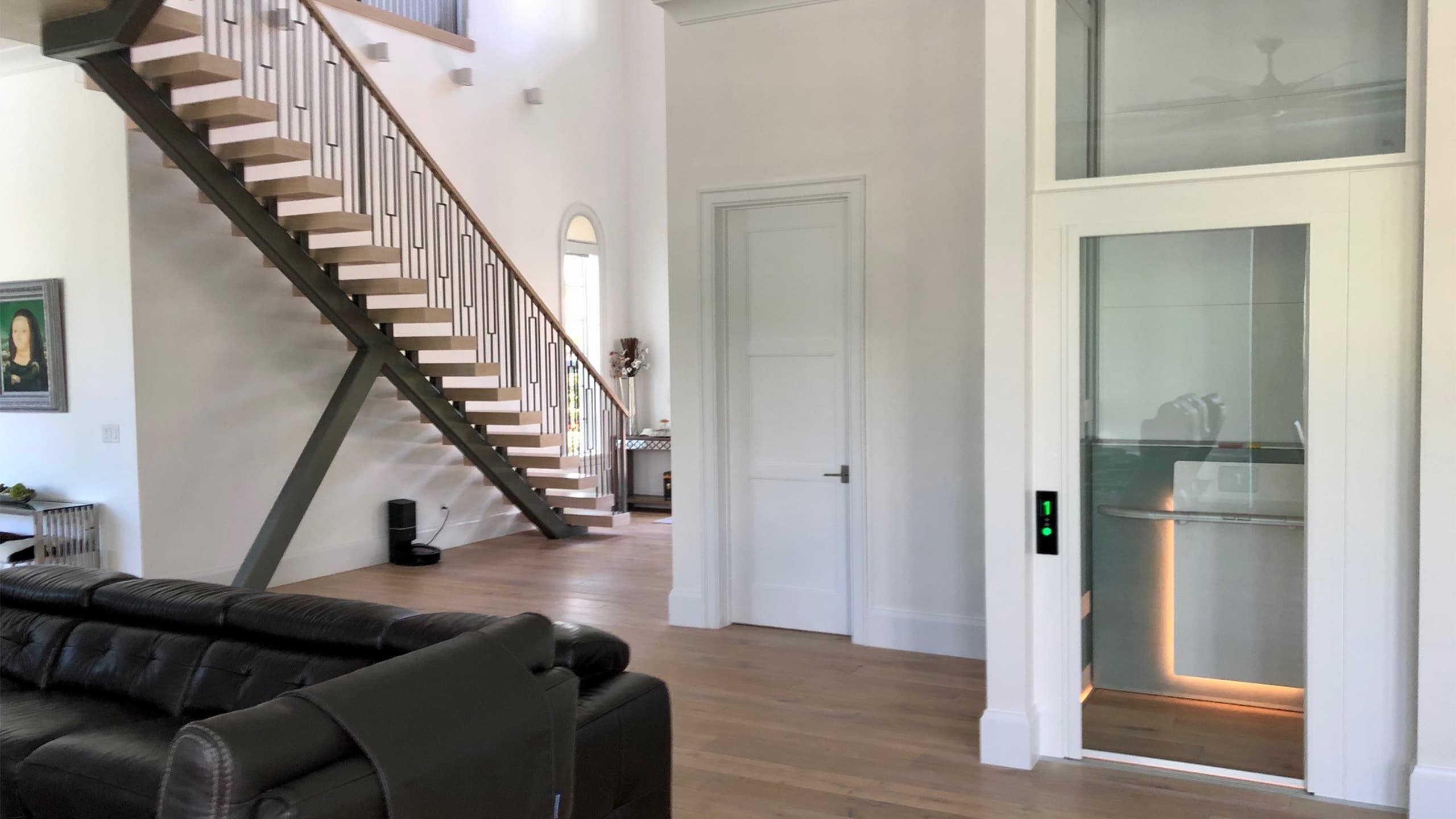
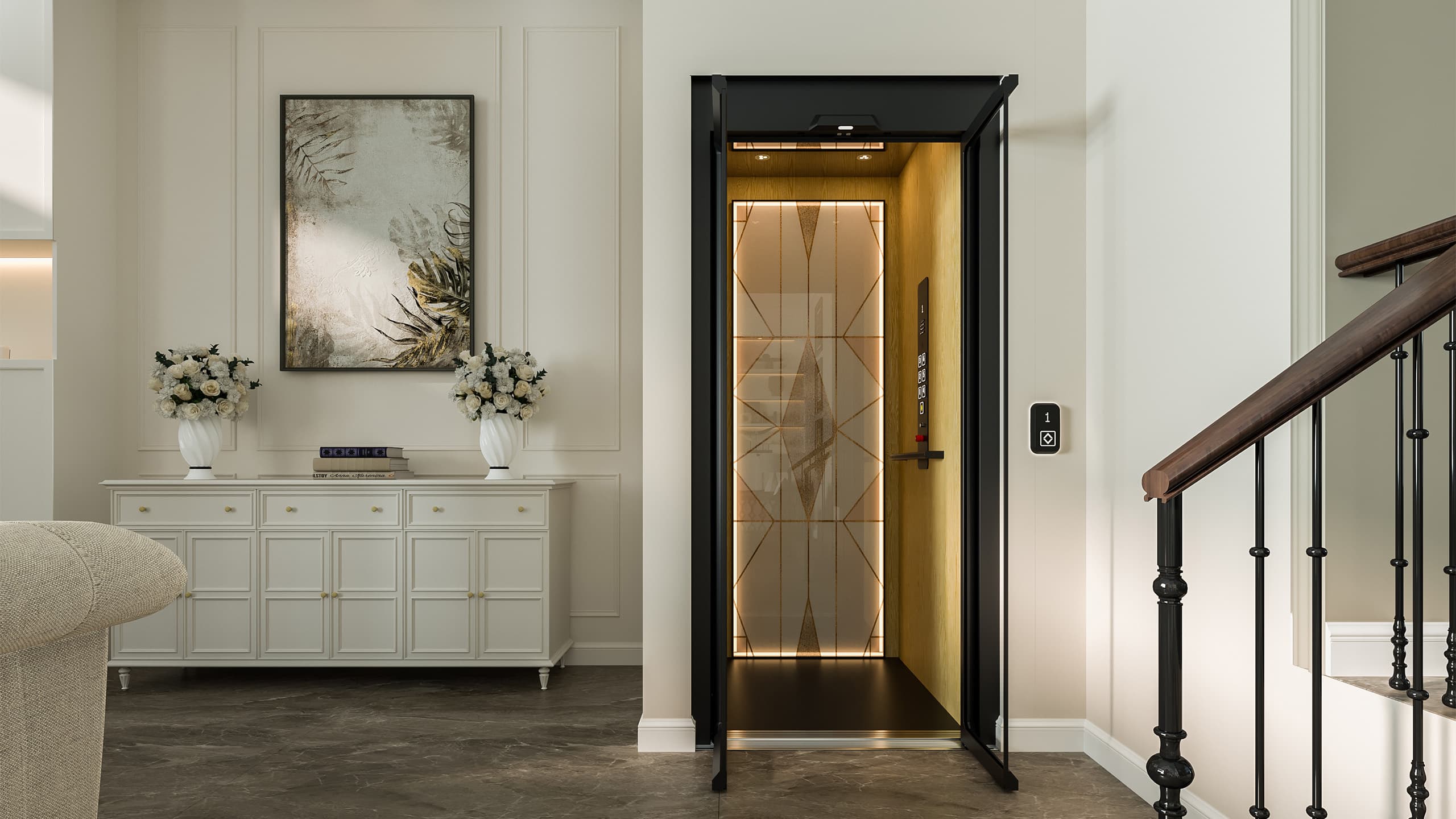
Modern residential elevators are designed to improve access between floors while integrating into both new and existing homes.
Unlike short-term mobility solutions that focus on a single staircase, residential elevators support accessibility throughout the entire home and can be used by multiple household members.
Solutions such as the Symmetry Residential Elevator, including Symmetry Dream and Asterix packages, provide enclosed multi-floor travel designed for long-term reliability and flexibility within the home.

Shaftless Elevators for Retrofit Accessibility Planning
Some homeowners planning accessibility upgrades prefer solutions that minimize structural changes during installation.
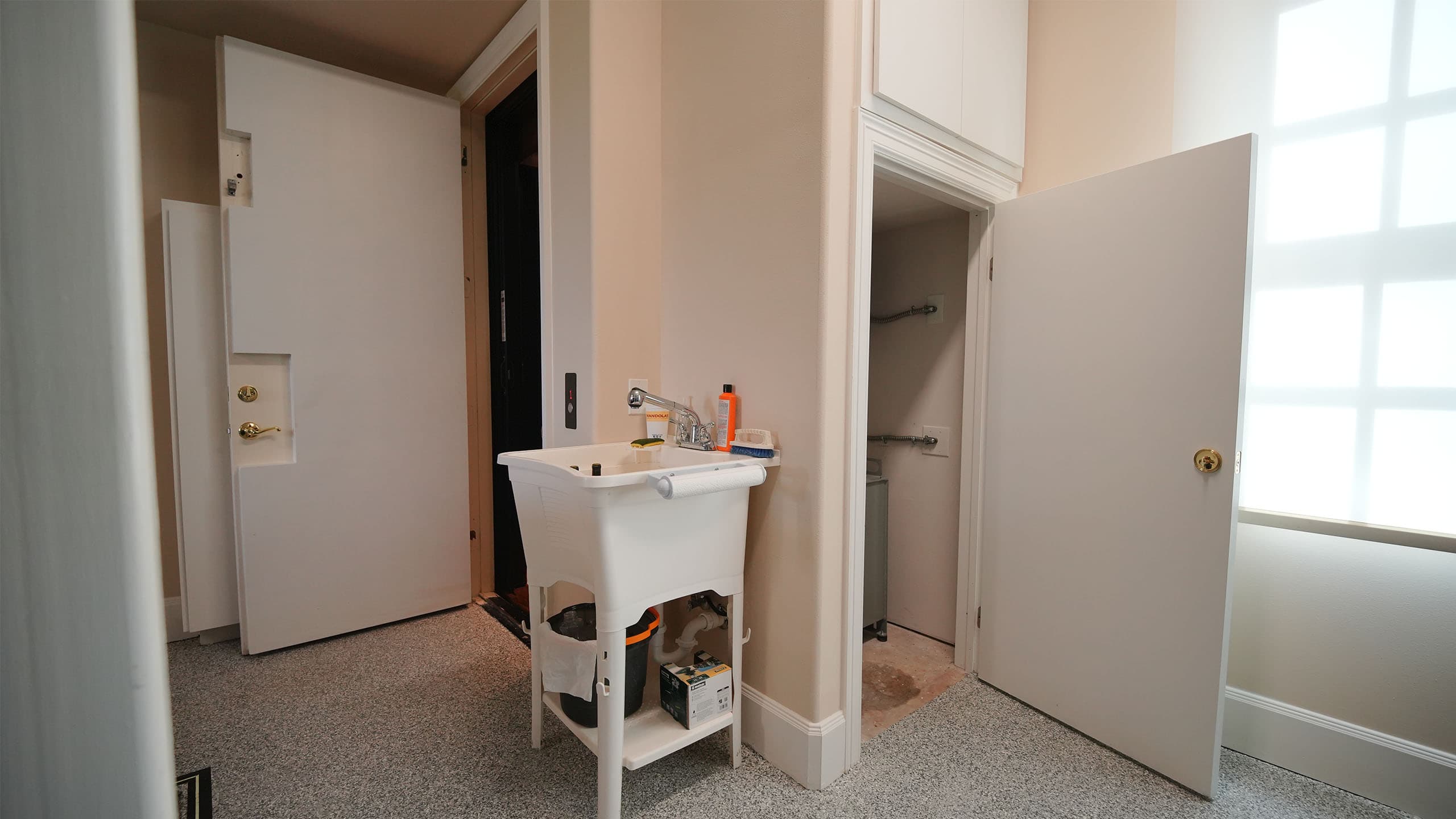
The Cibes Ascenda shaftless home elevator travels through a floor opening between levels and is designed specifically for retrofit environments where preserving layout flexibility is important.
These systems are commonly selected when:
- accessibility improvements are needed between two floors
- construction impact should remain minimal
- installation space is limited
- the project involves an existing home
Self-Supporting Elevator Systems for Flexible Installation
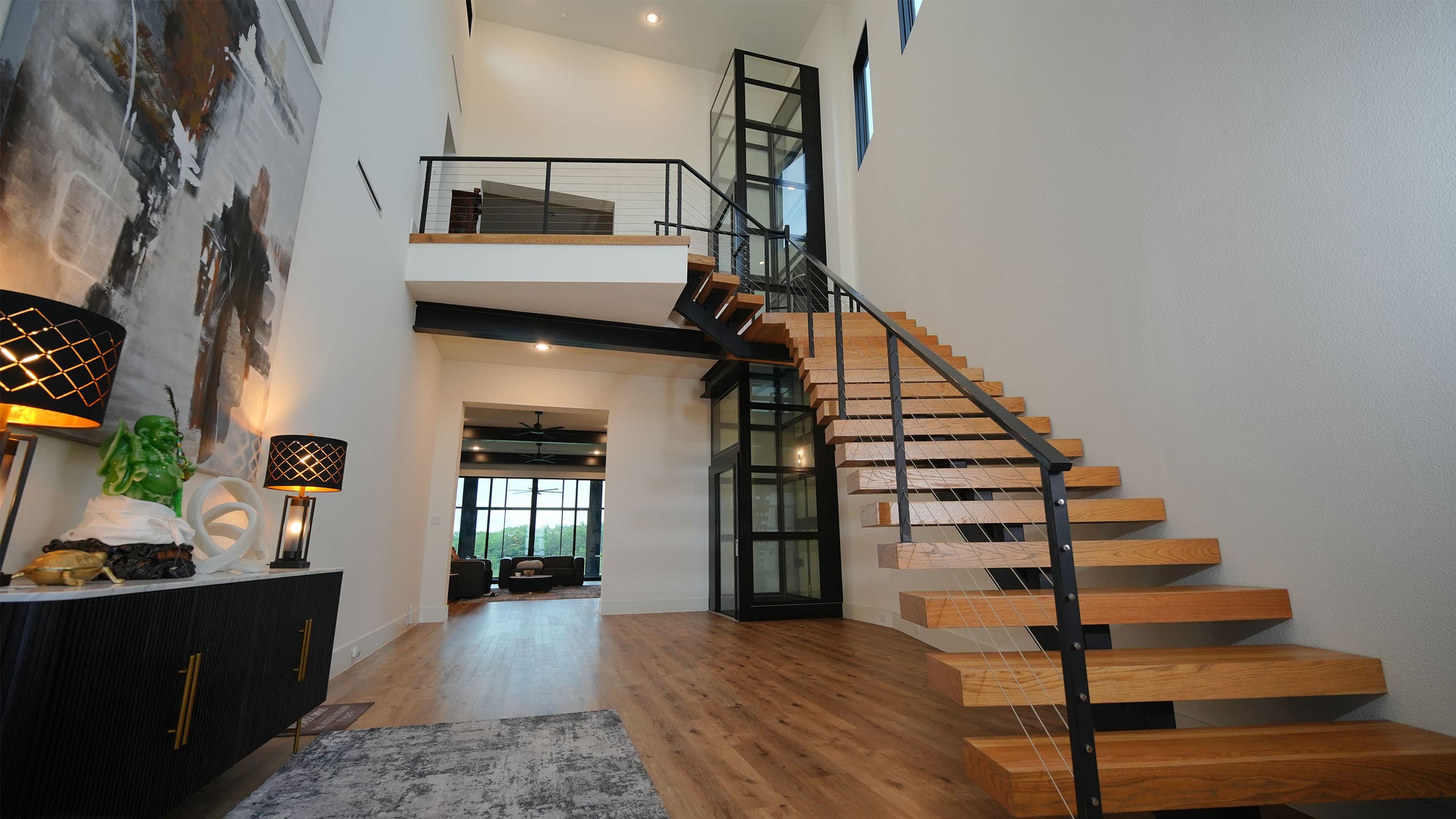
Some residential elevators include a self-supporting shaft structure as part of the lift system itself.
The Cibes Air home lift features a ready-made shaft with glass panels and doors that can function as both an accessibility solution and an architectural feature within the home. Because the shaft structure is integrated into the system, installation often requires less framing than traditional elevator construction approaches.
These systems are often selected for:
- modern homes
- open floor plans
- compact installation areas
- projects where design visibility is important


Platform Lifts for Entry-Level Accessibility Improvements
In some homes, accessibility planning begins with improving access between ground level and the main living space.
Compact platform lift solutions such as the Cibes Primo platform lift are often used in situations involving:
- garage-to-entry transitions
- raised first-floor access
- porch or deck entry improvements
- short travel accessibility needs
These systems can support accessibility upgrades where a full residential elevator installation may not be necessary.
Planning Accessibility Early Helps Preserve More Options
One of the most important advantages of planning accessibility improvements early is flexibility. When accessibility needs are considered before they become urgent, homeowners typically have more installation options available.
Early planning allows homeowners to evaluate:
- placement opportunities inside the home
- installation approaches that minimize construction impact
- solutions that support both current and future mobility needs
Working with an experienced residential elevator provider helps ensure accessibility solutions align with both the structure of the home and long-term living goals.
Choosing the Right Accessibility Strategy for Your Home
Short-term accessibility solutions can provide immediate support when mobility needs begin to change. Long-term accessibility planning helps ensure that all levels of the home remain usable over time.
Understanding how different accessibility solutions work together makes it easier to choose the right approach for both today and the future.
Find a Cibes Symmetry dealer near you to explore accessibility solutions designed for your home.